
It usually starts with something people talk themselves out of worrying about.
The bathroom smells a little damp lately, but maybe it is just poor ventilation. The toilet makes a faint refilling sound at night, but it stops eventually. The water bill has crept up again, although nothing in the house seems obviously wrong.
So life continues normally.
Until one day, the flooring near the toilet begins to lift. Tiles loosen slightly underfoot. Paint near the skirting starts bubbling. And suddenly, what felt like a small bathroom annoyance turns into a much larger and far more expensive problem hiding underneath the surface.
That is the frustrating reality of hidden toilet leaks. They rarely announce themselves clearly. They work slowly, quietly, and consistently in the background while moisture spreads into areas homeowners cannot easily see.
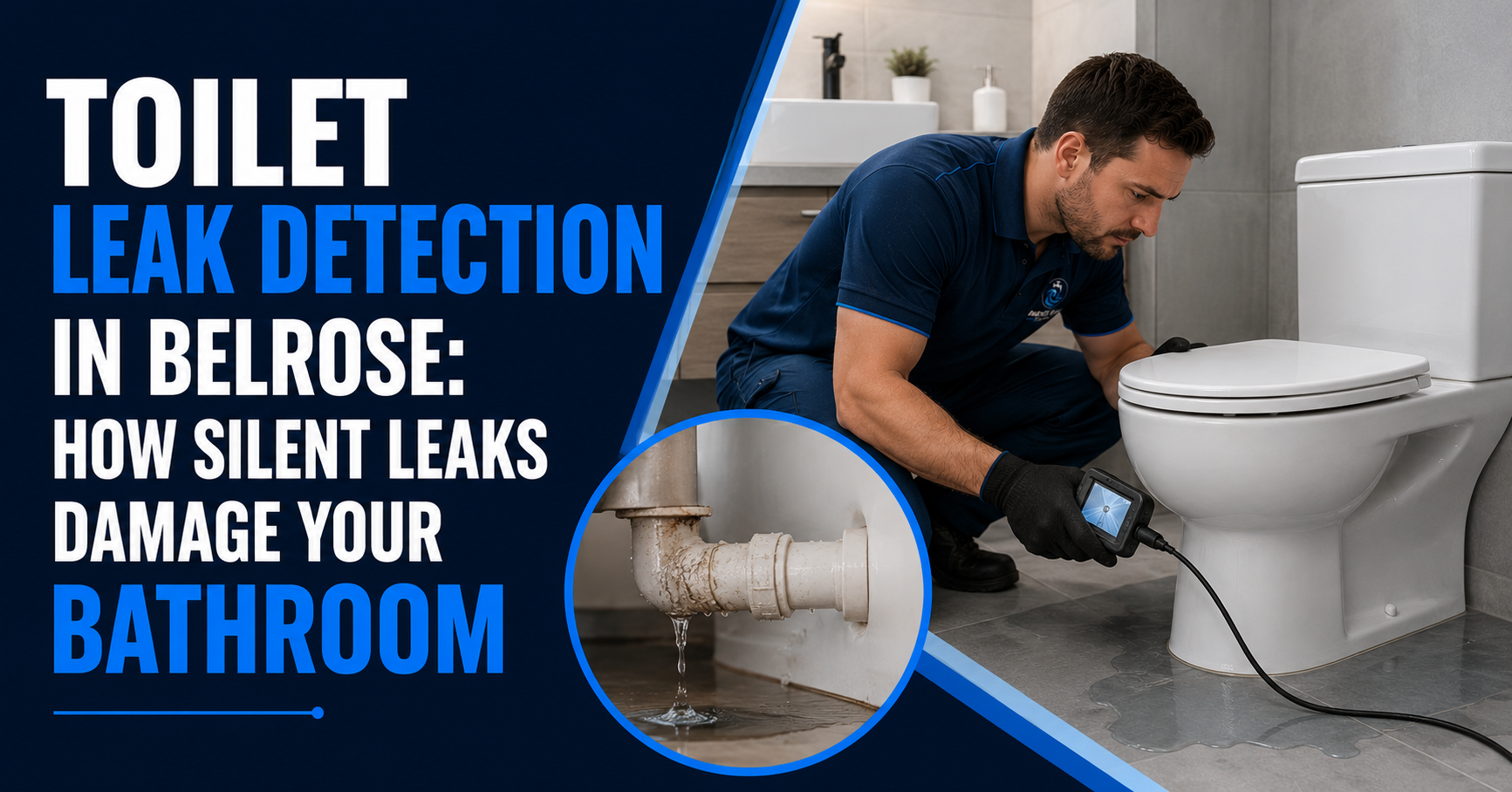
At Marvel Flow Plumbing, we often inspect bathrooms where the actual plumbing leak is relatively minor, but the surrounding water damage has already travelled through flooring, subfloors, cabinetry, or nearby walls. In many cases, homeowners did notice small warning signs early on. They just did not realise how much damage a silent leak could cause over time.
This is why early toilet leak detection in Belrose matters so much. The sooner hidden leaks are identified, the easier it becomes to stop larger household damage before repair costs escalate.
Why Hidden Toilet Leaks Are So Easy to Miss
Toilet leaks are different from many other plumbing problems because they often stay hidden beneath surfaces homeowners rarely inspect.
A leaking pipe under the kitchen sink usually creates visible water quickly. A hidden toilet leak, however, may slowly seep beneath tiles, around seals, or underneath flooring where the damage develops out of sight.
Some leaks happen inside the cistern itself, allowing water to constantly escape into the bowl without obvious flooding. Others form around the toilet base where moisture gradually spreads into surrounding flooring materials.
Because the leak develops slowly, homeowners often adapt to the warning signs without recognising them as plumbing problems.
The running toilet becomes background noise. The damp smell feels temporary. The water bill increase seems explainable.
Meanwhile, moisture continues spreading every single day.
Common Signs Your Toilet May Have a Hidden Leak
The Toilet Keeps Running After Flushing
A toilet that continues running long after flushing is one of the clearest signs of a silent leak. Internal cistern components may no longer be sealing correctly, allowing water to escape continuously.
Flooring Feels Soft Near the Toilet
Bathroom flooring should always feel solid underfoot. Soft areas, swelling, lifting vinyl, or unstable tiles near the toilet may indicate hidden moisture beneath the surface.
A Damp Smell That Never Fully Disappears
Bathrooms should not constantly smell musty. Persistent damp odours often signal trapped moisture underneath flooring or behind walls where hidden leaks are developing.
Water Bills Keep Slowly Increasing
A gradual water bill increase is one of the most overlooked warning signs. Even small toilet leaks can waste surprising amounts of water over weeks or months.
The Toilet Randomly Refills on Its Own
If you hear the cistern refilling even when nobody has used the toilet, water may already be leaking internally through worn components.
Stains Around the Toilet Base
Discolouration around grout, skirting boards, or nearby walls may point to slow water seepage escaping from underneath the toilet.
Loose Tiles Near the Bathroom Area
Water trapped beneath bathroom flooring can weaken tile adhesives and slowly affect surrounding surfaces.
Why Silent Toilet Leaks Become Expensive So Quickly
The leak itself is often not the biggest financial problem.
The real cost usually comes from everything the water touches afterwards.
Slow hidden moisture can quietly damage:
- timber flooring
- subfloors
- bathroom cabinetry
- wall framing
- skirting boards
- tile adhesives
- nearby plaster surfaces
The longer moisture remains trapped, the more likely mould growth and structural deterioration become.
This is what makes hidden toilet leaks so frustrating for homeowners. A relatively small plumbing issue can eventually lead to large-scale bathroom repairs simply because the leak remained unnoticed for too long.
The Most Common Causes of Hidden Toilet Leaks
Many toilet leaks develop from everyday wear and tear inside ageing bathroom plumbing systems.
Common causes include:
- worn toilet seals
- damaged flush valves
- ageing cistern fittings
- cracked toilet pans
- loose water supply connections
- deteriorating silicone seals
- faulty inlet valves
- shifting toilet bases
Older Sydney bathrooms are especially vulnerable because plumbing components naturally weaken over years of constant use.
Family homes also place heavier daily pressure on toilets, which increases wear on seals and internal fittings much faster.
Can a Toilet Leak Really Increase Water Bills?
Absolutely.
One silent leak may not seem significant day to day, but toilets connected to continuously running water can waste enormous amounts over time.
A leaking cistern or faulty flush valve may allow water to escape nonstop without creating visible flooding. Because the problem develops gradually, homeowners often blame rising bills on general household usage rather than hidden plumbing issues.
In reality, some of the highest water bills we see come from leaks homeowners barely noticed at all.
How Professional Plumbers Detect Hidden Toilet Leaks

Professional leak detection goes far beyond checking for puddles on the floor.
At Marvel Flow Plumbing, we use several methods to identify hidden toilet leaks and moisture spread, including:
- moisture testing
- pressure testing
- dye testing
- thermal inspection tools
- leak tracing
- flooring moisture assessment
- cistern inspections
These methods help locate water movement behind surfaces before larger structural damage develops.
Professional inspections are especially important because hidden moisture often spreads much further than homeowners initially realise.
When a Small Leak Turns Into Major Bathroom Damage
Hidden leaks become expensive mainly because time allows moisture to spread.
A small untreated toilet leak may eventually lead to:
- flooring replacement
- mould remediation
- damaged cabinetry
- subfloor repairs
- weakened timber supports
- wall repairs
- larger plumbing restoration costs
Many homeowners are shocked to discover that the surrounding water damage costs far more than the original plumbing repair would have.
That is why fast leak detection matters so much.
Should Minor Toilet Leaks Be Fixed Immediately?
Yes. Waiting rarely saves money.
Toilet leaks are one of those plumbing problems where delays almost always increase repair costs over time. What begins as a relatively simple repair can eventually affect surrounding bathroom structures if moisture continues spreading unchecked.
Early repairs help:
- reduce water waste
- prevent mould growth
- protect flooring
- lower restoration costs
- minimise plumbing damage
Fast action usually keeps the repair smaller, simpler, and far less disruptive.
How Marvel Flow Plumbing Helps Homeowners Catch Leaks Early
At Marvel Flow Plumbing, we help homeowners identify hidden bathroom leaks before major damage develops.
Our team provides:
- toilet leak inspections
- hidden moisture detection
- bathroom plumbing diagnostics
- toilet repairs
- preventative plumbing advice
- leak tracing services
We regularly assist homeowners requiring toilet repairs in Chifley, toilet repairs in Denistone, and surrounding Sydney suburbs where ageing bathrooms and hidden plumbing issues are increasingly common.
Our focus is always on finding the source of the problem early so homeowners can avoid unnecessary restoration costs later.
Why Early Leak Detection Protects Your Home Long-Term
The earlier a hidden toilet leak is detected, the easier it becomes to prevent widespread damage.
Early leak detection helps:
- protect flooring and subfloors
- reduce mould risks
- lower repair costs
- improve plumbing reliability
- minimise water waste
- avoid larger bathroom restoration work
Many expensive bathroom repairs begin with plumbing issues that once seemed too minor to worry about.
Professional inspections help stop those problems before they spread further.
Conclusion
Hidden toilet leaks are rarely dramatic in the beginning.
That is exactly why they become so damaging.
The warning signs often feel small enough to ignore at first. A running toilet. A damp smell. Slightly higher water bills. Soft flooring that seems barely noticeable.
But while homeowners continue using the bathroom normally, moisture may already be spreading underneath surfaces every single day.
Early toilet leak detection in Belrose can help prevent major flooring damage, mould growth, expensive restoration work, and ongoing water waste before the problem escalates further.
If something about your bathroom no longer feels quite right, it is usually worth investigating sooner rather than later.
FAQs
How do I know if my toilet has a hidden leak?
Common signs include a running toilet, soft flooring, musty bathroom smells, random cistern refilling, loose tiles, or rising water bills. Many hidden leaks remain unnoticed because water spreads slowly beneath flooring or inside bathroom structures without visible flooding.
Can a toilet leak increase my water bill?
Yes. Even a small silent leak can waste large amounts of water over time. Toilets with leaking cistern components or continuous refill cycles often increase household water usage significantly before homeowners realise there is an underlying plumbing problem.
Is a silent leak common in toilets?
Very common. Many toilet leaks happen quietly inside the cistern or beneath the toilet base where homeowners cannot easily see them. These leaks often continue for long periods before visible damage or high water bills finally reveal the problem.
Can leaks damage flooring?
Yes. Hidden toilet leaks can weaken flooring, damage subfloors, loosen tiles, and create ideal conditions for mould growth. Long-term moisture exposure may eventually require extensive bathroom restoration work if repairs are delayed too long.
How do plumbers detect toilet leaks?
Professional plumbers use moisture testing, pressure testing, dye testing, thermal inspection tools, and leak tracing equipment to identify hidden water movement beneath flooring and behind bathroom surfaces before major structural damage develops.
Should I fix a minor toilet leak immediately?
Yes. Minor toilet leaks often become more expensive because they stay hidden for too long. Early repairs help prevent mould growth, reduce water waste, protect bathroom flooring, and lower the risk of larger structural repair costs later.