Most plumbing problems give you some warning. A tap may drip for weeks, a drain may become slower over time, or a toilet may flush differently than it used to.
Others do not give you that luxury.
A burst pipe, overflowing toilet or major water leak can quickly affect your home and belongings. Knowing when a plumbing problem has crossed the line from inconvenient to urgent can help you act before the damage spreads.
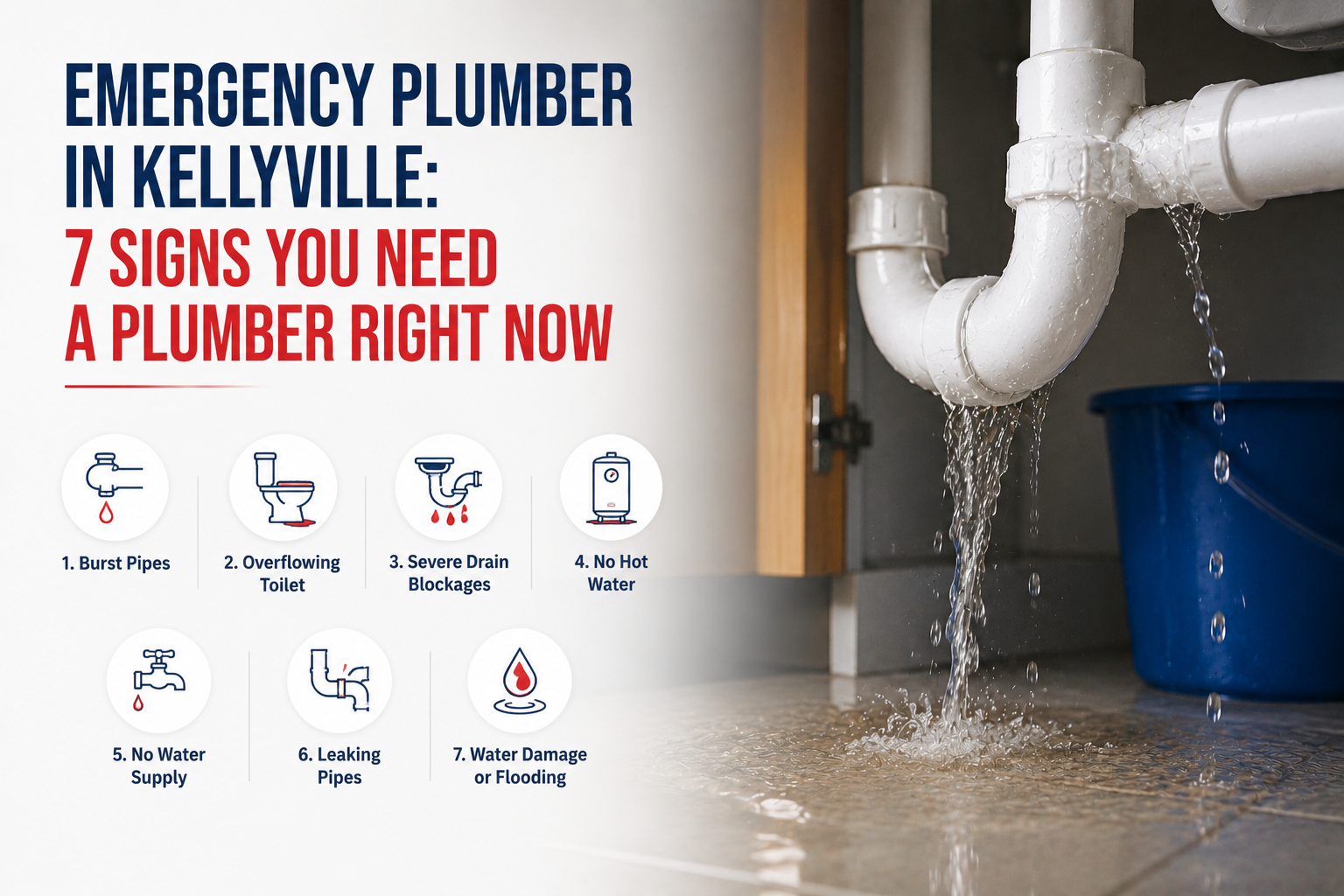
Here are seven signs that it is time to call an emergency plumber in Kellyville rather than waiting for a routine appointment.
1. Water is gushing from a pipe
A visible burst pipe is one of the clearest reasons to seek urgent plumbing assistance.
The problem could occur under a sink, behind a wall, in a ceiling cavity or along an exposed section of pipework. Even if you can see where the water is coming from, the actual cause of the failure may be less obvious.
What to do first
If it is safe, turn off the property’s main water supply. Move furniture and valuables away from the affected area and keep people away from standing water.
Then contact a plumber as soon as possible.
The longer pressurised water continues escaping, the greater the potential for damage to flooring, plasterboard, cabinetry and other parts of the property.
2. Your toilet is overflowing
A blocked toilet is unpleasant. An overflowing toilet that will not stop is an emergency.
Sewage-contaminated water can spread across floors and create significant hygiene and property concerns. Do not continue flushing the toilet to see if the blockage clears.
If you can safely isolate the toilet’s water supply, do so. If several fixtures are also backing up, the issue may be further along the drainage system rather than limited to the toilet.
This is a situation where professional drain clearing may be needed quickly.
3. Water is appearing where it shouldn’t
Not every serious leak produces a dramatic stream of water.
A sudden wet patch on the ceiling, water pooling beneath flooring or dampness appearing inside a wall can indicate a concealed plumbing leak.
Pay particular attention to:
- Damp or discoloured ceilings
- Bubbling or peeling paint
- Unexpected water stains
- Musty smells
- Warped flooring
- Sounds of running water when fixtures are off
A hidden leak can continue behind the surface even when very little water is visible.
If the source is unknown, professional leak detection can help locate the problem without unnecessarily damaging walls or floors.
4. Several drains are backing up at once
One slow drain may be a local blockage.
When the shower, toilet, laundry drain and kitchen sink all start behaving strangely around the same time, the problem may be further down the property’s main drainage system.
You might notice gurgling sounds, slow drainage, unpleasant sewage odours or wastewater appearing in another fixture.
These are signs you should not ignore. A deeper obstruction can eventually result in wastewater backing up into the property.
5. You have suddenly lost water
A complete loss of water is not always a plumbing emergency. There may be planned maintenance or an issue affecting the wider supply network.
But if neighbouring properties have water and yours does not, investigate the problem.
The cause could involve an internal pipe failure, isolation valve, damaged supply line or another plumbing issue. If the loss follows unusual sounds, visible water damage or other plumbing symptoms, professional assistance may be required.
6. Your hot water system is leaking heavily
A small amount of water around some hot water system components may have a different explanation, but a sudden or substantial leak should not be ignored.
Water can spread quickly around the installation and damage nearby flooring or walls.
Do not dismantle a gas or electrical hot water system yourself. If there is active water escaping, isolate the water supply where appropriate and contact a qualified plumber.
If the problem involves gas, electricity or an immediate safety hazard, stay clear of the area and contact the relevant emergency service.
7. You smell gas or suspect a gas leak
A gas smell should always be taken seriously.
Do not attempt to locate the leak yourself or repair a gas connection with household tools. Avoid flames, smoking and anything that could produce a spark. Do not operate electrical switches in the affected area.
Move everyone to a safe location and seek emergency assistance. Once the immediate danger has been addressed, a suitably licensed gasfitter can investigate the gas installation.
Gasfitting is regulated work in NSW, so the appropriate licence matters when gas appliances, pipework or connections need attention.
Emergency or routine? Use these three questions
When you’re unsure whether a plumber needs to come immediately, consider:
Is water actively escaping?
If yes, isolate the supply if safe and seek help.
Is sewage backing up?
If wastewater is entering the home, avoid using affected fixtures and arrange urgent assistance.
Could someone be injured?
Gas leaks, electrical hazards and contaminated water require immediate caution.
If the answer to any of these is yes, waiting for the problem to become worse is rarely worthwhile.
What should you do before the plumber arrives?
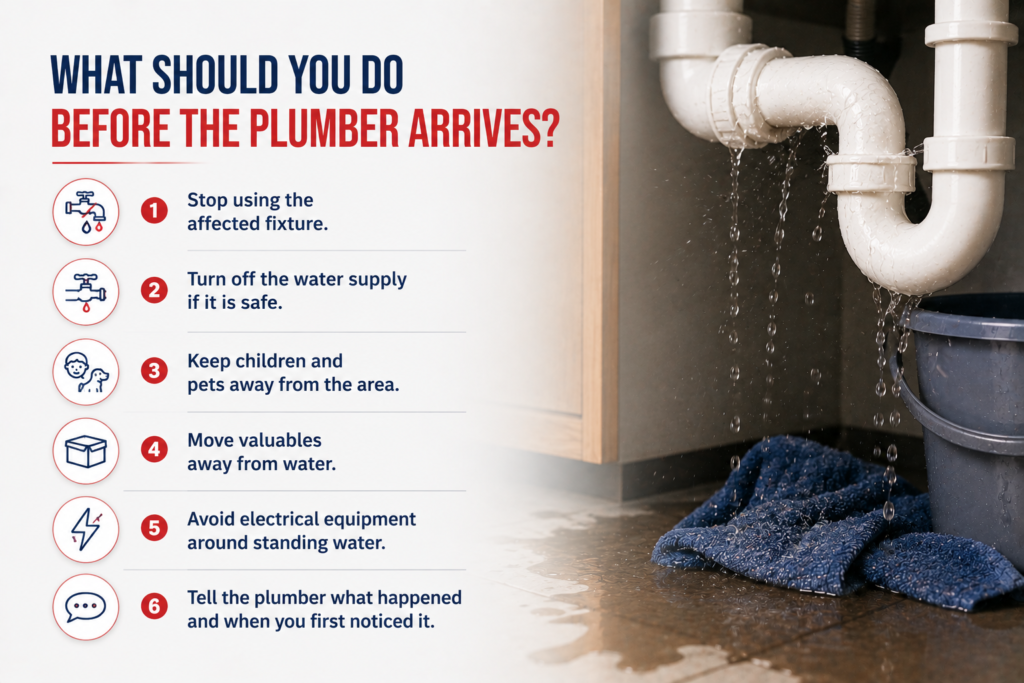
A few practical steps can help limit further damage:
- Stop using the affected fixture.
- Turn off the water supply if it is safe.
- Keep children and pets away from the area.
- Move valuables away from water.
- Avoid electrical equipment around standing water.
- Tell the plumber what happened and when you first noticed it.
Do not attempt an unfamiliar repair simply because the problem looks straightforward.
Get urgent plumbing help when you need it
A plumbing emergency is not necessarily defined by how dramatic it looks. A concealed leak can cause serious damage without producing much visible water, while a small blockage can quickly become a sewage backup.
For Kellyville homeowners, recognising the warning signs early can make a significant difference.
If you are facing a burst pipe, overflowing toilet, major leak, sewer backup, hot water problem or suspected gas issue, Marvel Flow Plumbing can help assess the situation and provide the appropriate plumbing service.
When the problem is actively threatening your home, don’t wait for it to become worse before calling a professional.
FAQs
What is considered a plumbing emergency?
Burst pipes, major leaks, overflowing toilets, sewer backups and serious hot water or gas-related problems can require urgent attention, particularly when there is active property damage or a safety risk.
Should I turn off my water during a plumbing emergency?
If water is actively leaking and you can safely access the main isolation valve, turning off the water can help limit further damage. Do not put yourself at risk to reach it.
Can a slow drain become an emergency?
It can. A slow drain may indicate an obstruction that is becoming more severe. If several fixtures begin backing up or wastewater starts returning into the property, seek urgent plumbing assistance.
How quickly should I call an emergency plumber?
If water is actively escaping, sewage is backing up or there is an immediate risk to people or property, contact a plumber promptly rather than waiting for a routine service.