
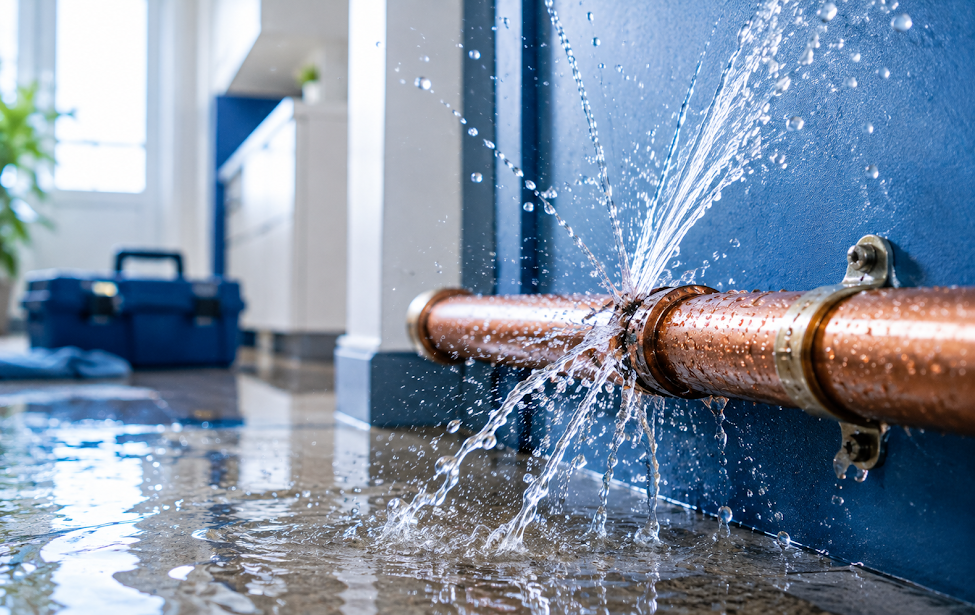
A burst pipe is not a plumbing problem you can put on tomorrow’s to-do list. Once pressurised water starts escaping, damage can spread quickly through flooring, walls, ceilings and belongings.
The first response does not need to be complicated. You need to control the water, protect your home and get professional help.
If you are looking for burst pipe repair in Rouse Hill, here are seven practical steps that can help you manage the situation before the plumber arrives.
1. Stop the water before doing anything else
Your first priority is to stop the flow.
If you can safely access your property’s main water isolation valve, turn it off. The valve is often located near the water meter or property boundary, although the exact location varies.
Once the supply is off, open a cold-water tap briefly to release some remaining pressure from the pipework.
Why acting quickly matters
A burst pipe connected to the mains can continue releasing water until the supply is isolated. Even a short delay can mean more water reaching flooring, cabinetry, plasterboard and other materials.
If you cannot safely access the valve, don’t take unnecessary risks. Contact a plumber for assistance.
2. Keep away from electrical hazards
Water damage can create an electrical hazard that is easy to overlook.
If water has reached power points, appliances, light fittings or electrical equipment, stay away from the affected area. Never walk through standing water to reach a switchboard or unplug an appliance.
If there is an immediate electrical danger, contact the appropriate emergency service.
Your safety comes before saving furniture or flooring.
3. Move valuables away from the water
Once the area is safe, focus on the belongings that can be moved easily.
Prioritise:
- Electronics and chargers
- Important documents
- Rugs and fabric items
- Wooden furniture
- Small appliances
- Personal belongings
Don’t try to move something heavy if doing so could cause an injury.
The goal is simple: prevent additional items from becoming water damaged while you wait for professional help.
4. Find out where the water is coming from
You don’t need to diagnose the plumbing fault, but identifying the general location can be useful.
Is the water coming from:
- Under a sink?
- Behind a wall?
- Above the ceiling?
- Beneath flooring?
- An outdoor pipe?
- Around the hot water system?
If the pipe is visible, leave it accessible for the plumber.
If the leak appears to be behind a wall or ceiling, don’t start cutting into the surface. Water can travel away from the actual failure point, so the place where you see water may not be where the pipe has burst.
5. Contain the water, but don’t create another problem
Buckets, towels and mops can help control water that has already escaped.
However, don’t put yourself in danger simply to keep the floor dry.
For example, if water is coming through a sagging ceiling, stay away from the area. A waterlogged ceiling can become unstable.
Likewise, avoid using electrical appliances or equipment to remove water if the area may be electrically unsafe.
Think control, not cleanup
You do not need to completely dry the property before the plumber arrives. Your immediate objective is to stop the source and prevent the water from spreading further where it is safe to do so.
6. Call the plumber and explain what happened
Once the water is under control, contact a qualified plumber.
When arranging burst pipe repair in Rouse Hill, give the plumber useful information rather than simply saying there is a leak.
Tell them:
- Where you noticed the water
- Whether the leak is still active
- Whether you have isolated the main supply
- Whether the pipe is visible
- Whether the leak is inside a wall or ceiling
- Which areas of the property are affected
This can help the plumber understand the situation and prepare for the repair.
7. Don’t turn the water back on just to check
This is a common mistake.
After isolating the water supply, you may be tempted to turn it back on briefly to see whether the leak has stopped.
If the pipe has genuinely failed, restoring pressure can cause the leak to start again or worsen.
Leave the supply isolated until the damaged pipe has been assessed and you have professional guidance.
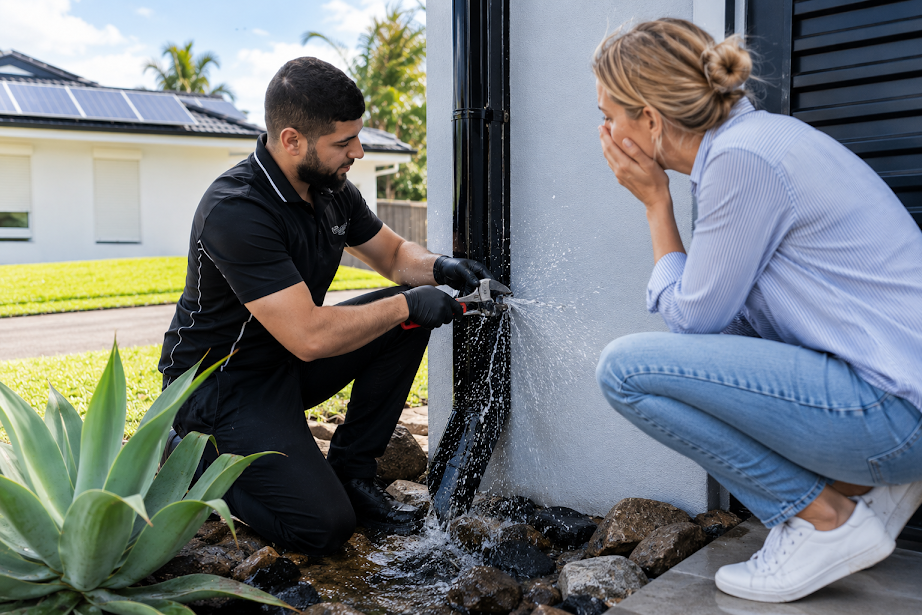
What can cause a pipe to burst?
The immediate concern is stopping the leak, but understanding why the pipe failed can help prevent another problem later.
Ageing pipework
Older pipes can deteriorate over time, particularly when exposed to corrosion, repeated pressure changes or general wear.
High water pressure
Excessive pressure can place stress on pipes, joints and fittings.
Damaged connections
Sometimes the failure occurs at a joint or fitting rather than along the main length of pipe.
Ground movement
Underground plumbing can be affected by movement in surrounding soil, putting stress on pipes and connections.
Existing deterioration
A pipe that has already developed cracks, corrosion or other weaknesses may eventually fail under normal operating conditions.
This is why proper burst pipe repair in Rouse Hill should involve more than simply replacing the section where water appeared. The plumber may need to assess the surrounding pipework and identify what caused the failure.
What if the burst pipe is hidden?
A concealed burst can be particularly difficult because you may not immediately see the source.
Watch for:
- Sudden damp patches
- Water stains on ceilings
- Peeling or bubbling paint
- Swollen flooring
- Musty smells
- Unexplained water usage
- A sound of running water when taps are off
If you suspect a hidden leak, avoid opening walls or floors yourself. Professional leak detection can help locate the source before unnecessary damage is caused to the property.
Don’t let a burst pipe become a bigger repair
A burst pipe is stressful, but your first response can be straightforward.
Shut off the water. Stay away from electrical hazards. Protect your belongings. Then call a qualified plumber.
The faster the water is controlled, the better your chances of limiting unnecessary damage.
If you need burst pipe repair in Rouse Hill, Marvel Flow Plumbing can assess the failed pipe, identify the likely cause and carry out the required repair.
Don’t focus on making the plumbing problem disappear temporarily. Focus on getting the source fixed properly.
FAQs
How do I stop water from a burst pipe?
If it is safe, turn off your property’s main water supply. This stops additional water entering the pipework while you arrange professional assistance.
Can I use tape to repair a burst pipe?
Tape or other temporary solutions may not withstand normal water pressure and should not be relied upon for a significant pipe failure. Professional assessment is the better option.
What should I do if a pipe bursts inside a wall?
Turn off the water supply if safe and contact a plumber. Avoid cutting into the wall yourself because the visible water may not indicate the exact location of the damaged pipe.
How quickly should a burst pipe be repaired?
An active burst should be addressed as soon as possible. Even after the water is isolated, prompt repair reduces the chance of further problems when the plumbing system is brought back into use.