
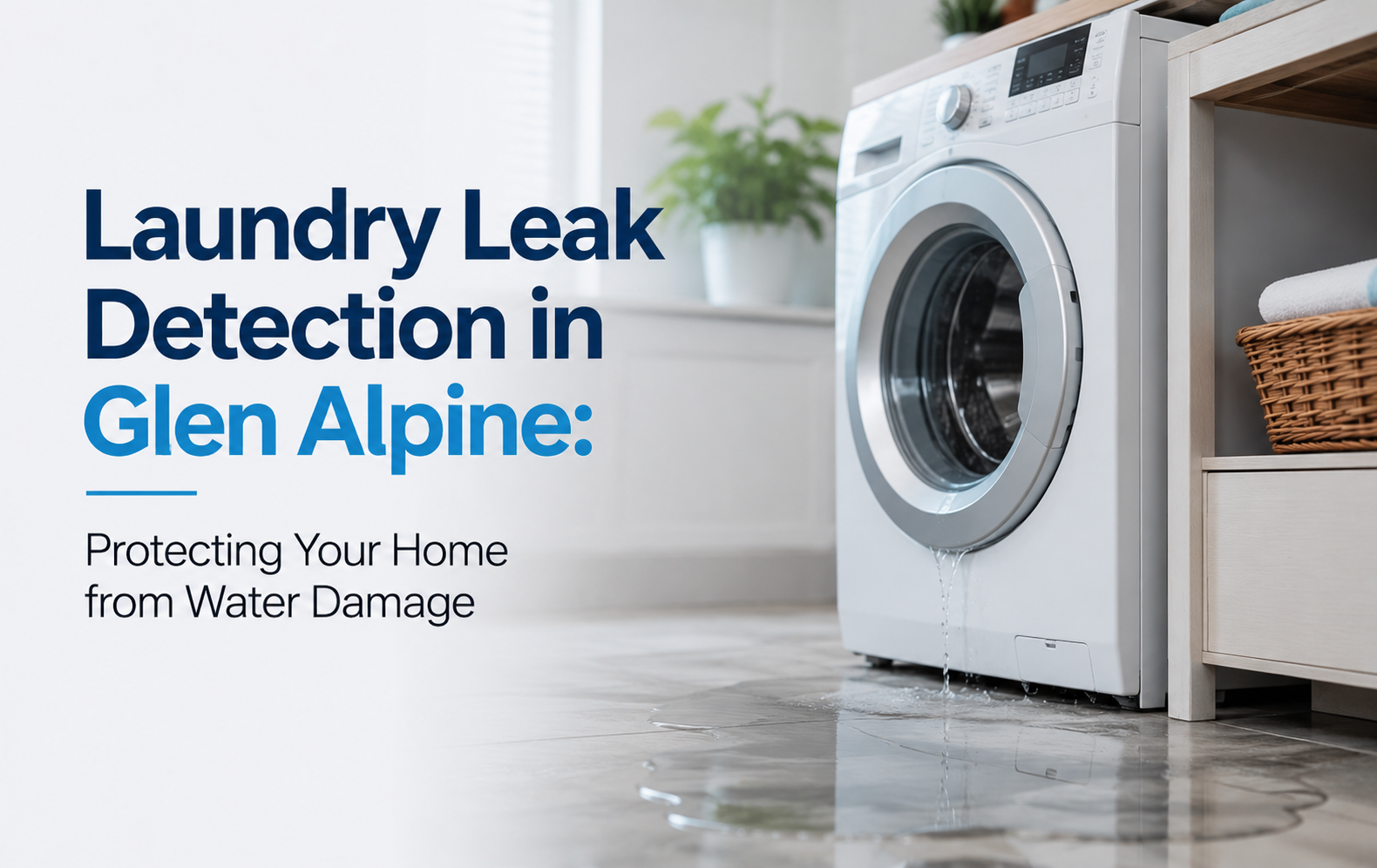
The laundry is one of the hardest-working spaces in any home, but it’s also one of the easiest places to overlook when it comes to plumbing maintenance. Hidden behind washing machines, inside walls, or beneath flooring, a small water leak can go unnoticed until it causes significant damage.
If you’re looking for laundry leak detection in Glen Alpine, acting early can help you avoid expensive repairs, mould problems, and unnecessary water waste. Knowing where leaks occur and what signs to watch for can make all the difference in protecting your home.
Why Laundry Leaks Deserve Immediate Attention
Unlike a burst pipe that creates an obvious emergency, most laundry leaks develop slowly. A loose hose connection, a worn-out valve, or a cracked pipe may only release small amounts of water each day.
Over time, that moisture can:
- Damage walls and skirting boards
- Warp timber or laminate flooring
- Create mould and mildew
- Weaken cabinetry or storage units
- Increase your water bills
Because laundry rooms often contain both plumbing and electrical appliances, delaying repairs can also create additional safety concerns.
The Most Common Causes of Laundry Leaks
Understanding where leaks typically start can help homeowners spot problems before they become major repairs.
Worn Washing Machine Hoses
Rubber hoses naturally wear out with age. They may develop small cracks or weaken around the fittings, allowing water to escape during every wash cycle.
Stainless steel braided hoses generally last longer, but they should still be inspected regularly.
Loose Water Connections
The hot and cold water supply valves behind your washing machine can loosen over time due to vibration.
Even a minor drip can gradually soak nearby walls and flooring.
Blocked Laundry Drains
Lint, dirt, pet hair, and detergent residue can build up inside the drainpipe, slowing water flow.
When drainage becomes restricted, water may overflow or back up onto the laundry floor.
Hidden Pipe Leaks
Some plumbing pipes run behind walls or underneath the laundry floor.
Corrosion, shifting foundations, or ageing joints can cause these concealed pipes to leak without producing obvious signs.
Warning Signs That Shouldn’t Be Ignored

Not every leak leaves standing water. Many homeowners first notice smaller clues that something isn’t right.
Your Water Bill Has Increased
A gradual rise in your water bill without any change in household usage is often one of the earliest indicators of a hidden plumbing leak.
Damp or Soft Flooring
If the floor around your washing machine feels soft, warped, or consistently damp, water may be leaking underneath the surface.
Ignoring this issue can lead to costly flooring replacements.
Mould or Musty Smells
Persistent damp odours often mean moisture has been trapped for some time.
Mould commonly develops:
- Behind washing machines
- Inside cupboards
- Along skirting boards
- Inside wall cavities
Water Marks on Nearby Walls
Peeling paint, bubbling plaster, or discoloured patches near the laundry are strong signs that water is escaping somewhere behind the wall.
Simple Ways to Reduce the Risk of Water Damage
While not every leak can be prevented, a few simple habits can significantly reduce your risk.
Consider these maintenance tips:
- Inspect washing machine hoses every few months.
- Replace ageing hoses before they fail.
- Avoid overloading your washing machine.
- Clean the laundry drain regularly.
- Check behind appliances for moisture after heavy use.
- Know where your home’s main water shut-off valve is located.
Routine inspections take only a few minutes but can prevent thousands of dollars in repair costs.
DIY Checks Versus Professional Leak Detection
It’s perfectly reasonable to carry out basic visual inspections around your laundry.
You can safely check for:
- Visible drips
- Loose hose connections
- Water pooling behind appliances
- Damp flooring
However, if you suspect a hidden leak, professional detection is the smarter option.
Modern leak detection equipment allows plumbers to locate concealed leaks without unnecessary cutting into walls or flooring. This saves time, minimises disruption, and ensures the actual source of the problem is repaired.
When Is It Time to Call a Plumber?
Don’t wait until your laundry floods before seeking help.
Arrange professional laundry leak detection in Glen Alpine if you notice:
- Unexplained increases in your water bill
- Damp patches that continue to spread
- Water stains on walls or ceilings
- Repeated mould growth
- Reduced water pressure
- Water sounds when appliances aren’t running
Early intervention usually means faster repairs and lower overall costs.
Keep Your Home Safe with Professional Leak Detection
Water damage often starts where homeowners least expect it. A small leak hidden behind your washing machine or inside a wall can quietly affect your home’s structure, indoor air quality, and plumbing system long before visible damage appears.
At Marvel Flow Plumbing, we provide reliable laundry leak detection in Glen Alpine using modern equipment to accurately locate hidden leaks without unnecessary damage to your property. Whether you’ve noticed unusual moisture or simply want peace of mind, our experienced team is ready to help protect your home before a minor issue becomes a major repair.
Contact our plumbers to schedule an inspection and get a quote.
Frequently Asked Questions
What causes most laundry leaks?
The most common causes include worn washing machine hoses, loose plumbing connections, blocked drains, faulty valves, and hidden pipe leaks.
Can a small laundry leak really cause major damage?
Yes. Even slow leaks can damage flooring, walls, cabinetry, and insulation while encouraging mould growth if left untreated.
How often should washing machine hoses be replaced?
Most manufacturers recommend replacing rubber hoses every five years, while braided stainless steel hoses should still be inspected regularly for wear.
Why should I choose professional leak detection?
Professional plumbers use specialised equipment to accurately locate hidden leaks, helping avoid unnecessary damage to walls and floors while ensuring the correct repair is completed.