
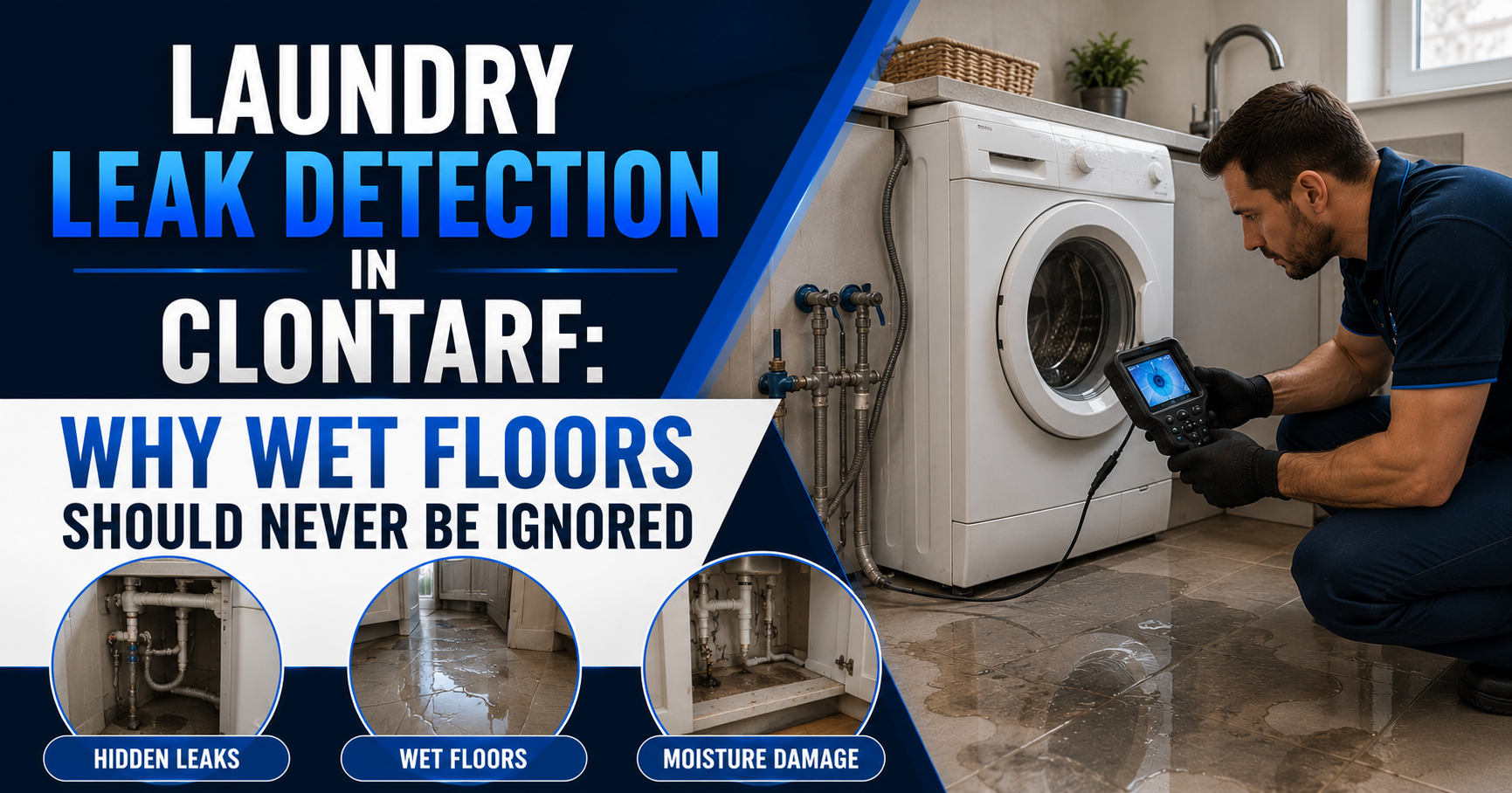
The laundry floor dries… until it gets wet again the next day.
At first, it barely feels important. Maybe a little water splashed out while unloading the washing machine. Maybe someone spilled detergent. Maybe the kids walked through with wet shoes. So the floor gets wiped, life moves on, and nobody thinks much about it.
But then it keeps happening.
A damp smell starts lingering around the laundry area. The floor near the washing machine feels slightly different underfoot. Water appears again after another wash cycle, even though nothing seems obviously broken.
This is how many hidden laundry leaks begin. Quietly. Repeatedly. Just enough moisture to seem harmless, but enough to slowly damage flooring, walls, cabinetry, and the structures underneath.
At Marvel Flow Plumbing, we regularly inspect laundry leaks across Sydney where homeowners spent weeks or months cleaning up recurring water without realising a larger plumbing issue was already developing behind the scenes. In many cases, the actual leak was relatively small. The expensive part came later, once moisture spread beneath flooring or into surrounding structures.
That is why recurring wet laundry floors should never be ignored.
This guide explains why laundry leaks happen, the warning signs homeowners often dismiss too early, how hidden moisture causes floor water damage, and why early laundry leak detection in Clontarf can help prevent expensive structural repairs later.
Why Laundry Leaks Often Develop Quietly
Laundry rooms experience constant water movement, vibration, and appliance pressure every single week.
Washing machines fill and drain repeatedly, hoses flex under pressure, and plumbing connections behind appliances stay hidden most of the time. Because these areas are difficult to see, leaks often develop gradually without immediate warning.
A washing machine leak may begin as a slow drip behind the appliance. A pipe leak laundry connection may only release small amounts of water during drain cycles. Some leaks remain hidden underneath flooring where moisture slowly spreads beneath the surface.
Unlike burst pipes, laundry leaks rarely create dramatic flooding immediately. They often build up over time while homeowners continue using the space normally.
Many people only realise something is wrong once damp smells, warped flooring, or mould growth start appearing nearby.
The Most Common Causes of Laundry Leaks
Washing Machine Hose Leaks
Washing machine hoses are under constant pressure and naturally weaken with age. Small cracks or loose connections can slowly leak water behind the appliance during wash cycles.
Drain Pipe Leaks
Drainage pipes handle large amounts of water quickly. If fittings loosen or pipes crack, water may leak slowly into surrounding flooring or wall cavities.
Laundry Tap Connection Leaks
The taps connecting washing machines to water supplies may develop worn seals or loose fittings over time, especially in older homes.
Internal Washing Machine Leaks
Not all leaks come from external pipes. Washing machines themselves can develop internal seal failures, damaged pumps, or drainage problems that allow water to escape during operation.
Blocked Laundry Drains
Blocked drains create pressure buildup that may cause overflow problems or force water back into surrounding areas unexpectedly.
Overflowing Laundry Tubs
Laundry sinks and tubs may overflow due to blockages, drainage issues, or unattended running water.
Cracked Pipe Connections
Ageing plumbing systems can develop small cracks or weak joints that release water slowly during appliance use.
Early Warning Signs Homeowners Commonly Ignore
Laundry leaks rarely start with major flooding. More often, they reveal themselves through subtle warning signs homeowners slowly get used to seeing.
Some of the most common signs include:
- recurring wet floors
- damp smells near appliances
- bubbling paint nearby
- warped flooring edges
- mould spots around skirting boards
- soft flooring beneath washing machines
- moisture appearing after appliance cycles
- unusual humidity in the laundry room
Many homeowners initially assume these problems are temporary or harmless. Unfortunately, hidden moisture often continues spreading long after the visible water disappears.
The sooner these warning signs are investigated, the easier it usually is to avoid larger structural repairs later.
Why Wet Laundry Floors Can Lead to Serious Damage
A wet laundry floor is often only the visible part of the problem.
Water naturally travels downward and outward, which means recurring moisture can slowly spread beneath flooring materials, into subfloors, and behind nearby walls without homeowners realising how far the damage has already reached.
Over time, floor water damage may lead to:
- warped flooring
- weakened subfloors
- mould growth
- damaged wall materials
- deteriorating timber structures
- peeling paint and finishes
- structural moisture problems
The biggest issue is that trapped moisture rarely dries properly once it spreads beneath enclosed surfaces.
This is why small recurring laundry leaks can eventually become expensive restoration problems if ignored for too long.
Can Washing Machines Cause Hidden Leaks?
Absolutely.
Washing machines are one of the most common hidden leak sources in family homes because they combine constant water pressure, drainage cycles, vibration, and moving components.
Common washing machine leak causes include:
- worn hoses
- damaged internal seals
- drainage failures
- loose fittings
- overfilled machines
- vibration-related pipe loosening
Some washing machine leaks only happen during certain parts of the wash cycle, which makes them harder for homeowners to notice immediately.
Others release water slowly behind the appliance where moisture remains trapped for long periods.
Is a Damp Laundry Floor a Serious Issue?
If the floor keeps becoming damp repeatedly, yes.
A single accidental spill is not usually a major concern. But recurring moisture without a clear explanation often points to an underlying leak already developing somewhere in the plumbing or appliance system.
Many homeowners continue mopping up small amounts of water for months without realising the moisture is slowly affecting flooring materials underneath.
Repeated damp flooring should always be professionally investigated before hidden damage spreads further.
Can Laundry Leaks Damage Foundations?
In some situations, yes.
Long-term moisture exposure beneath flooring can gradually weaken subfloors, timber supports, and surrounding structures. If water continues spreading unchecked, nearby structural materials may also absorb moisture over time.
Laundry leaks are especially problematic because they often occur in enclosed areas where ventilation is limited and drying happens slowly.
While not every leak reaches foundation level, ongoing hidden moisture can absolutely contribute to larger structural deterioration if left untreated.
How Professional Plumbers Detect Laundry Leaks

Professional leak detection focuses on finding moisture problems homeowners cannot easily see themselves.
At Marvel Flow Plumbing, we use several methods to identify hidden laundry leaks, including:
- moisture testing
- pressure testing
- appliance connection inspections
- leak tracing
- drainage assessments
- flooring moisture detection
These inspections help locate hidden leaks before major structural or flooring damage develops.
We regularly assist homeowners requiring laundry leak detection in Glen Alpine and surrounding Sydney suburbs where ageing plumbing systems and high appliance usage commonly create hidden moisture risks.
Repair Options for Laundry Leaks
Laundry leak repairs depend on the source and severity of the issue.
Common repair solutions may include:
- replacing washing machine hoses
- repairing pipe connections
- resealing fittings
- clearing blocked drains
- fixing leaking appliance components
- replacing damaged plumbing sections
- preventing ongoing moisture spread
In many cases, early repairs are relatively straightforward when the leak is identified before major structural damage occurs.
Why Fast Leak Repairs Protect Your Home Long-Term
Small leaks rarely stay small forever.
The longer moisture remains trapped beneath laundry flooring or behind walls, the more likely homeowners are to face larger repair costs later.
Fast leak repairs help:
- reduce floor water damage
- minimise mould risks
- protect structural materials
- lower restoration costs
- improve appliance reliability
- prevent long-term moisture spread
Early leak detection is almost always far more affordable than replacing damaged flooring or repairing structural deterioration later.
How Marvel Flow Plumbing Helps Detect Laundry Leaks Early
At Marvel Flow Plumbing, we help homeowners identify hidden laundry leaks before they turn into larger household problems.
Our team provides:
- laundry leak inspections
- washing machine leak repairs
- hidden moisture detection
- drainage inspections
- preventative plumbing advice
- appliance plumbing assessments
We understand how frustrating recurring wet floors can become, especially when homeowners cannot clearly identify where the moisture is actually coming from.
That is why our focus is always on finding the real source of the problem early before the damage spreads further.
Conclusion
Wet laundry floors are rarely something homeowners should simply keep ignoring.
The problem with hidden laundry leaks is not always the amount of water involved. It is how long the moisture quietly spreads beneath surfaces before anyone realises the damage is becoming serious.
A small washing machine leak or hidden pipe leak laundry connection may seem manageable at first, but repeated moisture can gradually affect flooring, walls, subfloors, and surrounding structures over time.
Recurring damp floors, mould smells, or unexplained moisture around appliances should always be investigated early.
Fast laundry leak detection in Clontarf can help protect your home, reduce restoration costs, prevent structural moisture damage, and stop small plumbing issues from becoming much larger repairs later.
FAQs
Why is water pooling in my laundry?
Water pooling in the laundry may come from leaking washing machine hoses, blocked drains, loose pipe fittings, damaged appliance seals, or hidden plumbing leaks. Even small recurring puddles should be investigated because moisture can slowly spread beneath flooring and nearby structures.
Can washing machines cause hidden leaks?
Yes. Washing machines are one of the most common hidden leak sources in homes. Internal seal failures, loose hoses, drainage problems, or vibration-related pipe issues can all allow water to leak slowly behind appliances without obvious warning signs initially.
Is a damp floor a serious issue?
If the floor repeatedly becomes damp, it may indicate an underlying plumbing or appliance leak. Ongoing moisture can damage flooring, encourage mould growth, and weaken subfloors over time, especially if the source of the leak remains hidden for too long.
Can leaks damage foundations?
Long-term moisture exposure can gradually affect structural materials beneath flooring and nearby areas. While not every leak reaches foundation level, hidden water spread can weaken subfloors, timber supports, and surrounding structures if repairs are delayed too long.
How do plumbers find laundry leaks?
Professional plumbers use moisture testing, pressure testing, leak tracing, appliance inspections, and drainage assessments to locate hidden laundry leaks. These methods help identify moisture spread beneath flooring or behind appliances before larger structural damage develops.
Should I stop using appliances if there is a leak?
If water continues appearing around appliances, it is usually safest to stop using them until the source is inspected professionally. Continuing to run leaking appliances may worsen moisture damage and increase the risk of larger plumbing or flooring problems later.