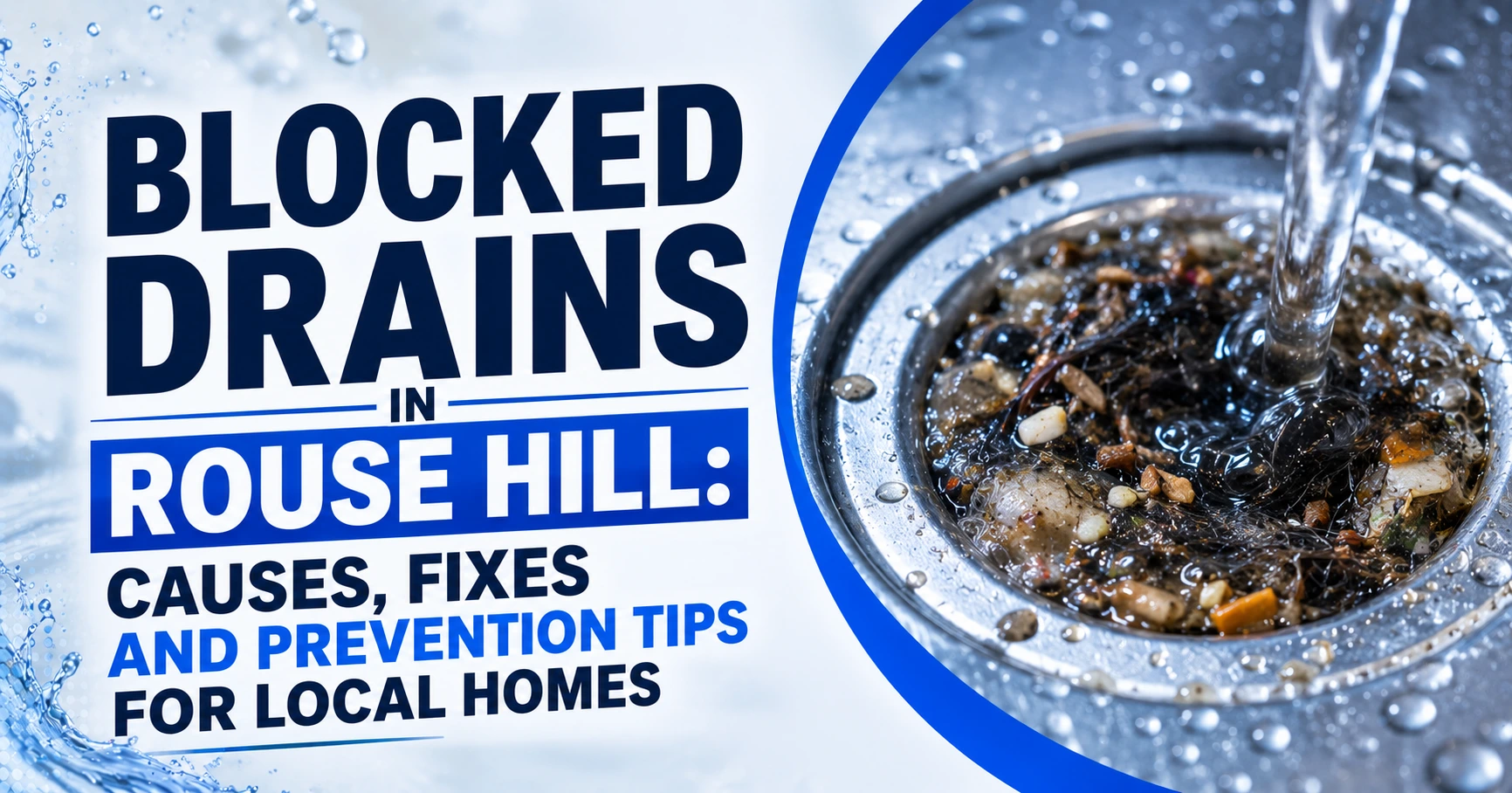
Most blocked drains do not begin with major flooding or sewage overflow. In many homes, the first signs are easy to overlook. Water drains a little slower than usual, unpleasant smells appear occasionally, or outdoor drains start pooling after rain.
Over time, those smaller warning signs can develop into larger plumbing problems affecting the entire drainage system.
Blocked drains in Rouse Hill are common in both newer family homes and surrounding established suburbs. From kitchen sinks and bathroom drains to underground sewer lines and stormwater systems, modern drainage networks are all connected. When one section struggles, other areas can eventually be affected as well.
This guide explains the most common causes of blocked drains in Rouse Hill homes, how plumbers clear them properly, and what homeowners can do to reduce recurring drainage problems.
Why Blocked Drains Are So Common in Sydney Homes
Sydney homes experience drainage problems for several reasons. Daily household use gradually creates buildup inside pipes, while outdoor environmental conditions can place additional pressure on underground drainage systems.
Common contributing factors include:
- grease and food residue buildup
- ageing underground pipes
- tree root intrusion
- stormwater overflow during heavy rain
- high daily water usage in busy family homes
Rouse Hill also presents a mix of drainage conditions. Newer residential developments often connect into larger shared infrastructure systems, while nearby established suburbs may still contain older underground pipes more vulnerable to cracking and root intrusion.
As these systems age or experience increased pressure, blocked drains become more likely.
The Difference Between Inside and Outside Drain Problems
Not all blocked drains behave the same way. Some issues develop inside the home, while others begin underground or outdoors.
Understanding the difference helps homeowners recognise why some drainage problems become more serious than others.
Inside Drain Problems
Internal drain blockages usually affect fixtures homeowners use every day, including:
- kitchen sinks
- showers
- bathroom basins
- toilets
- laundry drains
These blockages often develop gradually through:
- grease buildup
- soap residue
- hair accumulation
- food waste
- wipes and hygiene products
Inside drain problems typically start with slower drainage before progressing into backups or overflows.
Outside Drain Problems
Outdoor drainage issues involve larger plumbing systems such as:
- blocked stormwater drains
- underground sewer pipes
- external overflow drains
- damaged underground pipework
Tree root blockage is one of the most common causes of outdoor drainage failures across Sydney. Heavy rain can also place extra pressure on blocked stormwater drain systems, especially when debris and leaves restrict water flow.
Unlike smaller indoor blockages, external drain problems can affect multiple fixtures throughout the property at once.
The Most Common Causes of Blocked Drains in Rouse Hill Homes
1. Grease and Food Waste Buildup
Kitchen drains regularly collect oils, fats, and food particles. Over time, grease hardens along pipe walls and gradually restricts water flow.
Warning signs include:
- slow-draining sinks
- unpleasant kitchen drain smells
- recurring sink backups
If ignored, grease buildup can eventually contribute to larger blocked sewer issues.
2. Hair and Soap Residue
Bathroom drains commonly clog due to hair, soap scum, and product residue collecting inside pipes.
Homeowners may notice:
- standing water in showers
- slow bathroom drainage
- repeated plunging requirements
Without proper clearing, buildup continues accumulating deeper within the pipe system.
3. Wet Wipes and Hygiene Products
Many wipes labelled as “flushable” do not break down properly inside sewer systems.
These materials can create dense blockages that trap additional debris and restrict wastewater flow. Toilets that frequently back up or gurgle may indicate developing sewer obstructions.
4. Tree Root Intrusion
Tree roots naturally seek moisture and can enter small cracks within underground pipes.
Once inside, roots expand and trap waste, creating severe drainage restrictions. This is a common issue across many Sydney suburbs where mature trees grow near residential sewer lines.
5. Pipe Damage or Collapse
Older or damaged pipes may crack, shift, or partially collapse underground.
Signs of pipe damage may include:
- recurring blockages
- soggy outdoor ground
- sewage smells outdoors
- multiple drains backing up together
In these situations, clearing the blockage alone may not fully solve the issue.
6. Stormwater Debris and Outdoor Blockages
Leaves, dirt, and outdoor debris often accumulate inside external drainage systems.
Heavy rainfall can worsen these conditions quickly, particularly when blocked stormwater drains cannot redirect water effectively.
Warning Signs Your Drain Problem Is Getting Worse
Blocked drains rarely improve on their own. In most cases, symptoms gradually become more noticeable over time.
Homeowners should watch for:
- gurgling sounds from drains
- recurring slow drainage
- unpleasant sewer smells
- outdoor pooling water
- water backing up into sinks or showers
- repeated need for plunging
These smaller symptoms may indicate growing pressure within the drainage system. Left untreated, they can eventually develop into larger blocked sewer problems affecting multiple parts of the property.
Why DIY Drain Fixes Often Fail Long Term
Many homeowners try DIY methods first, especially when drainage problems appear minor.
Common approaches include:
- plungers
- boiling water
- supermarket drain chemicals
While these methods may temporarily improve water flow, they often do not remove the underlying blockage completely.
For example, plungers may only shift soft debris locally, while chemical cleaners rarely address tree roots, pipe damage, or deep sewer obstructions.
DIY solutions are not necessarily wrong, but they are often temporary. Persistent or recurring blockages usually require deeper diagnosis and professional equipment.
How Professional Plumbers Properly Clear Blocked Drains
Drain Camera Inspection
Modern plumbers use drain camera inspection technology to locate hidden drainage problems inside underground pipes.
CCTV cameras help identify:
- tree root intrusion
- pipe cracks
- collapsed sections
- stubborn sewer buildup
- recurring blockage locations
This process allows plumbers to diagnose problems accurately without unnecessary digging or guesswork.
High Pressure Jetting
High pressure jetting is one of the most effective methods for clearing stubborn blocked drains.
This process uses powerful water pressure to:
- remove grease buildup
- flush debris from pipes
- clear root intrusion remnants
- clean internal pipe surfaces more thoroughly
Compared to chemical drain cleaners, high pressure jetting provides a more complete pipe-cleaning solution and helps reduce recurring buildup.
Can Blocked Drains Return After Being Cleared?
Yes, blocked drains can return if the underlying cause remains untreated.
Recurring drainage problems often happen because:
- tree roots continue growing into pipes
- damaged pipes remain unrepaired
- grease buildup reforms over time
- previous clearing was incomplete
This is why long-term prevention matters just as much as immediate drain clearing. Proper diagnostics help identify whether the blockage itself or the pipe condition is the bigger issue.
Prevention Tips for Rouse Hill Homeowners
Homeowners can reduce future drainage problems through a few practical habits:
- avoid pouring grease down kitchen sinks
- use drain strainers in showers and basins
- avoid flushing wipes and hygiene products
- monitor outdoor drains after storms
- trim tree roots near underground pipes
- schedule periodic drain inspections
- respond early to slow drainage symptoms
Small preventative actions often help avoid larger emergency plumbing problems later.
When It’s Time to Call a Professional Plumber
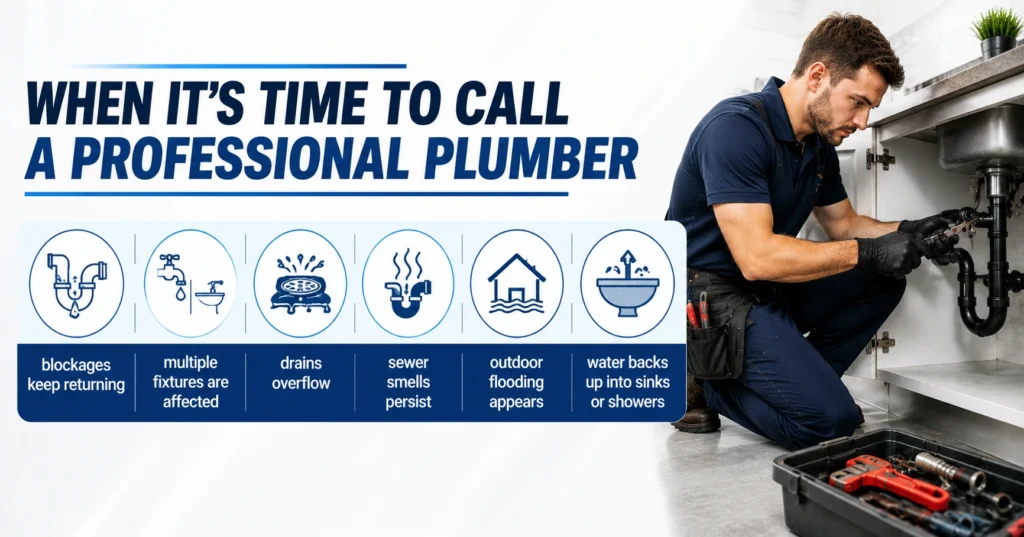
Professional help is usually needed when:
- blockages keep returning
- multiple fixtures are affected
- drains overflow
- sewer smells persist
- outdoor flooding appears
- water backs up into sinks or showers
These problems may indicate larger drainage system issues requiring specialised equipment and proper diagnosis.
Homeowners dealing with blocked drains in Kellyville, blocked drains in Seven Hills, or blocked drains in Condell Park often experience similar drainage conditions involving sewer buildup, tree roots, and stormwater pressure across Sydney suburbs.
How Marvel Flow Plumbing Helps Resolve Drain Problems
At Marvel Flow Plumbing, we help homeowners across Sydney diagnose and clear blocked drains using modern plumbing technology and practical long-term repair solutions.
Our team handles everything from kitchen and bathroom blockages to blocked sewer lines and stormwater drainage issues. We use CCTV drain camera diagnostics to locate hidden problems accurately, while our high pressure jetting equipment helps clear stubborn buildup and debris more effectively.
We also understand that recurring drain problems can be frustrating for homeowners. That is why we focus on identifying the underlying cause rather than simply treating surface symptoms whenever possible.
With local Sydney experience and emergency blocked drain response support, we aim to provide reliable drainage solutions that improve long-term plumbing performance.
Why Early Drain Maintenance Prevents Bigger Plumbing Problems
Early drain maintenance often prevents more serious plumbing repairs later.
Detecting blockages early helps reduce pressure inside underground pipes, lowering the risk of major sewer overflows or pipe damage. Drain camera diagnostics also allow plumbers to identify problems accurately before excavation or extensive repairs become necessary.
Most importantly, preventative maintenance helps keep pipe systems cleaner, reducing recurring blockages and improving long-term drainage performance.
Conclusion
Blocked drains usually worsen gradually rather than suddenly. What begins as slow drainage or occasional smells can eventually affect the entire plumbing system if ignored.
Early action, proper diagnostics, and professional clearing methods help reduce long-term plumbing damage and recurring drainage issues. For many Sydney homeowners, preventative maintenance and timely repairs are the most effective ways to protect their drainage systems over time.
FAQs
What causes blocked drains in Rouse Hill homes?
Blocked drains in Rouse Hill are commonly caused by grease buildup, hair accumulation, wipes, tree roots, stormwater debris, and ageing pipes. Daily household usage gradually affects drainage systems over time, especially in busy family homes with high water usage and older underground infrastructure.
Are tree roots a common reason for blocked drains?
Yes, tree roots are one of the most common causes of underground drain blockages across Sydney. Roots naturally seek moisture and can enter small cracks in sewer pipes, eventually restricting water flow and trapping waste inside the drainage system.
How does CCTV drain inspection work?
CCTV drain inspection involves inserting a specialised waterproof camera into underground pipes. The camera allows plumbers to locate hidden blockages, root intrusion, pipe cracks, and damaged sections accurately without unnecessary excavation or guesswork during the diagnosis process.
Is high-pressure jetting better than drain chemicals?
In many cases, yes. High pressure jetting removes grease, debris, and buildup more thoroughly than chemical drain cleaners. It also helps clean internal pipe surfaces more effectively, reducing the likelihood of recurring blockages caused by leftover residue inside the pipes.
Can blocked drains come back after being cleared?
Yes, recurring blockages can happen if the underlying issue remains unresolved. Tree root intrusion, damaged pipes, grease buildup, or incomplete clearing may all contribute to future drainage problems even after the original blockage appears removed.
How often should drains be checked?
Homes with recurring drainage issues, mature trees nearby, or older plumbing systems may benefit from periodic drain inspections every one to two years. Early inspections can help detect developing blockages before they become larger and more expensive plumbing problems.