
A drain does not usually become completely blocked without giving you some warning first. Water may take longer to disappear, the toilet may gurgle, or an unpleasant smell may start coming from a sink or floor drain.
The frustrating part is that the visible symptom does not always reveal the real cause.
A blockage may be sitting deep inside the drainage system, caused by something you cannot see from the surface. If you are dealing with blocked drains in Rouse Hill, understanding these less obvious causes can help you recognise when a simple DIY fix is unlikely to solve the problem.
1. Tree roots have entered the pipe
Tree roots are one of the hidden causes homeowners often overlook.
Underground pipes can develop small cracks or gaps around joints over time. Roots naturally seek moisture and may find their way through these weaknesses. Once inside, they can grow around the pipe and trap other debris.
The result can be a recurring blockage that seems to disappear after drain cleaning but returns later.
Could roots be the problem?
Consider professional investigation if:
- The same drain keeps blocking.
- Outdoor drains are repeatedly affected.
- Blockages return soon after clearing.
- You notice slow drainage across multiple fixtures.
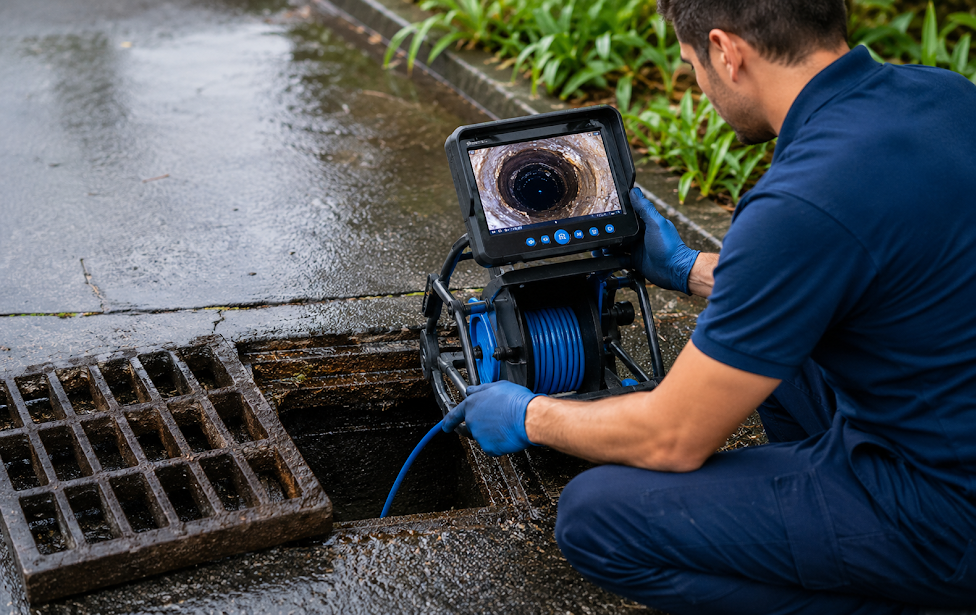
A CCTV drain inspection can provide a clearer view of what is happening inside the pipe.
2. Grease has narrowed your kitchen pipe
You may not have poured a large amount of cooking oil down the sink, but small amounts can still accumulate over time.
Fats, oils and grease can stick to the internal surface of drainage pipes. Food particles then attach to the buildup, gradually reducing the opening available for water to pass through.
This type of blockage can develop slowly, which is why homeowners may notice increasingly sluggish drainage before the sink stops draining altogether.
Avoid putting cooking oil, grease or food scraps down the sink. If your kitchen drain repeatedly slows down despite these precautions, professional drain cleaning may be needed.
3. Soap residue is combining with hair
Bathroom blockages are not always caused by one thing.
Hair can catch inside the pipe while soap residue creates a sticky surface around it. Dirt and other material can then become trapped, gradually forming a larger obstruction.
You may notice the shower taking longer to drain before the blockage becomes obvious.
Using a drain strainer and removing collected hair regularly can reduce the amount entering the pipe. But if water remains slow, the obstruction may already be further down the line.
4. An object is stuck deeper inside the pipe
A small object going down a drain may not cause an immediate problem.
It can travel further into the plumbing before becoming lodged at a bend, joint or narrow section. Once stuck, it can collect hair, food particles and other debris around it.
This can make the blockage appear to have developed suddenly even though the original cause entered the plumbing much earlier.
If plunging does not resolve the problem or the blockage repeatedly returns, avoid pushing more objects or tools into the drain. A professional plumber can investigate without relying on guesswork.
5. Your drainage pipe is damaged
A blockage can sometimes be a symptom rather than the actual problem.
Cracked, collapsed, displaced or deteriorating pipes can interfere with wastewater flow. Debris may collect around the damaged section, causing repeated restrictions.
This is one reason recurring blocked drains in Rouse Hill should not always be treated as a simple cleaning job.
If a drain has been professionally cleared several times but keeps blocking, the condition of the pipe itself may need to be investigated.
6. There is a deeper main-line blockage
The location where you see the problem is not necessarily where the obstruction is.
For example, if your shower, toilet and laundry drain all become slow, the blockage may be further along a shared drainage line.
You might notice:
- Toilets bubbling when other fixtures drain
- Water backing up in the shower
- Multiple slow drains
- Sewage smells
- An outdoor gully overflowing
These signs suggest that the issue may extend beyond one fixture.
Repeatedly clearing individual drains may only provide temporary relief if the main obstruction remains.
7. Too much debris is entering outdoor drains
Outdoor drainage systems deal with a different type of material.
Leaves, soil, garden debris and other particles can enter open or poorly protected drains. During periods of heavy rainfall, a large amount of debris can move towards drainage points at once.
If an outdoor drain is slow, check whether leaves or visible debris are obstructing the surface. Remove accessible debris where safe, but do not assume the visible material is the entire problem.
If the drain continues overflowing or backing up, there may be a deeper obstruction.
8. Previous DIY clearing has pushed the blockage further
Trying to clear a drain yourself is understandable. The problem comes when repeated attempts only move the obstruction rather than remove it.
A blockage can be pushed further along the pipe, where it becomes harder to reach. Harsh chemical drain cleaners can also create problems if used incorrectly or repeatedly.
If basic methods do not restore normal drainage, it is better to stop experimenting and have the system professionally assessed.
What do recurring blockages tell you?
One isolated blockage may simply be the result of something unsuitable entering the drain.
Repeated blockages are different.
They can point towards:
- Root intrusion
- Pipe damage
- Heavy internal buildup
- A deeper obstruction
- Poor drainage flow
- An issue with the property’s main line
This is where professional diagnosis becomes more valuable than simply clearing the waterway again.
Look at the pattern
Pay attention to when and where the blockage occurs.
Does it happen after using the washing machine? Does the shower slow down every few weeks? Do several fixtures become affected at once?
The pattern can provide useful clues about where the problem may be located.
How can you prevent hidden drain problems?
You cannot prevent every plumbing issue, but a few habits can reduce the likelihood of blockages.
In the kitchen
- Keep fats, oils and grease out of sinks.
- Scrape food scraps into the bin.
- Use a sink strainer.
- Clean the strainer regularly.
In bathrooms
- Use hair catchers in showers.
- Keep wipes and hygiene products out of toilets.
- Remove visible hair from drain covers.
- Don’t ignore slow drainage.
Around the property
Keep outdoor drains clear of leaves and garden debris. If you experience recurring blockages, consider professional drain inspection rather than repeatedly using DIY clearing methods.
When should you call a plumber?
A drain that is slightly slow does not always require urgent assistance.
But professional help is worth considering when the problem keeps returning, several fixtures are affected, wastewater backs up or you notice sewage smells.
The earlier the underlying issue is identified, the less likely you are to keep paying for temporary solutions.
Need help with blocked drains in Rouse Hill?
Marvel Flow Plumbing can investigate persistent drainage problems and determine whether the cause is buildup, tree roots, pipe damage or a deeper obstruction.
When a drain repeatedly blocks, don’t just ask, “How can I clear it?”
Ask, “Why does it keep blocking?”
That question can lead to a much more effective plumbing solution.
FAQs
Why do my drains keep blocking?
Recurring blockages can be caused by grease, hair, tree roots, damaged pipes, objects lodged inside the system or a deeper obstruction in the main drainage line.
Can tree roots cause blocked drains?
Yes. Roots can enter underground pipes through cracks, gaps or damaged joints and restrict wastewater flow.
How can I tell if my main drain is blocked?
Multiple slow or blocked fixtures, gurgling toilets, wastewater backing up and sewage smells can indicate a problem further along the main drainage system.
Is drain cleaner a good solution for recurring blockages?
Chemical drain cleaners may provide temporary relief in some situations but do not fix structural problems or remove causes such as tree roots and damaged pipes. Recurring blockages are better assessed professionally.