Hot water is something most households notice only when it stops working properly. A cold shower is inconvenient, but some hot water problems can point to leaks, electrical faults, pressure issues or a failing system that needs prompt attention.
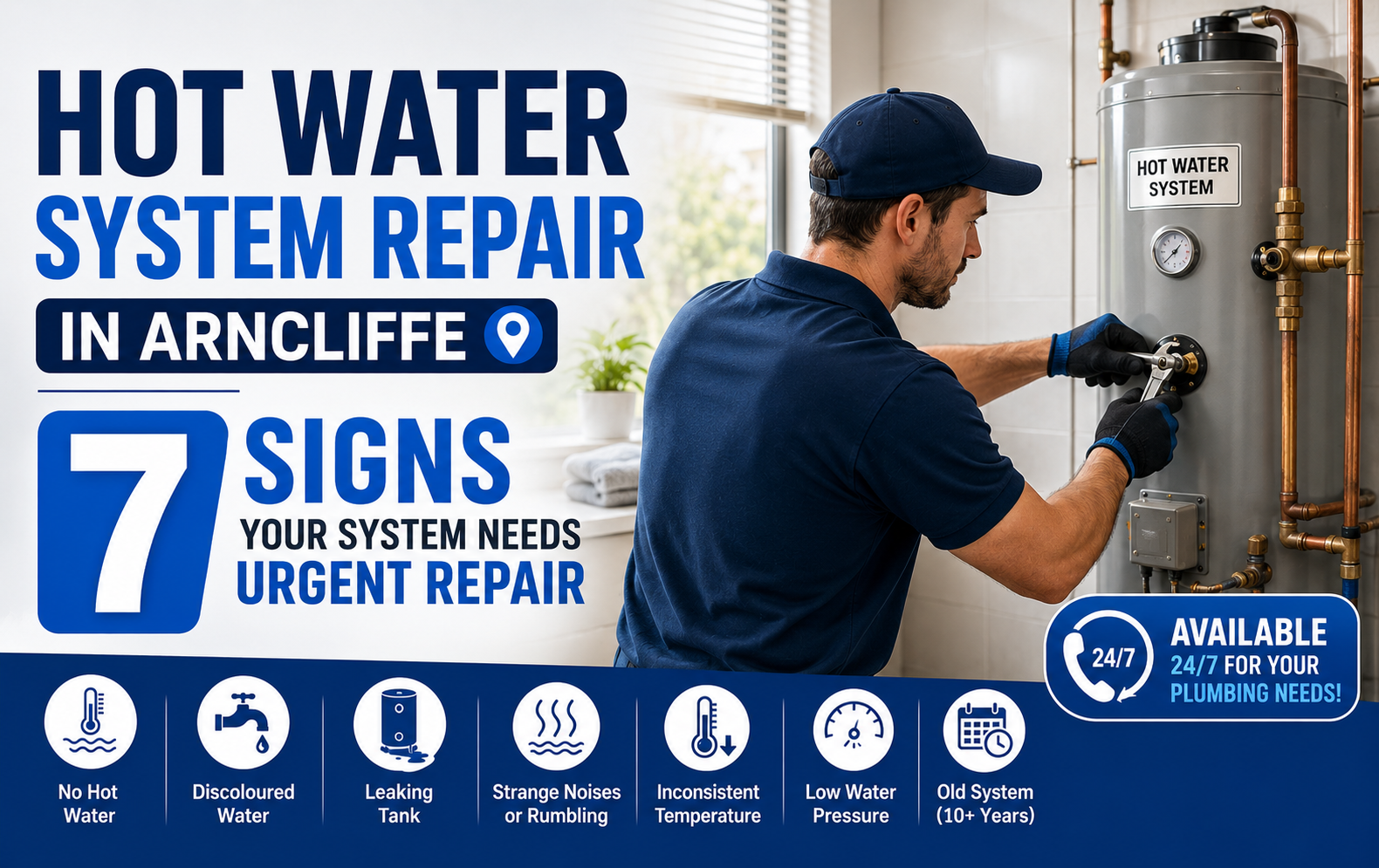
Knowing the early warning signs can help homeowners act before a relatively manageable fault develops into a more disruptive and expensive repair. If your hot water system is behaving differently from usual, these seven signs deserve attention.
1. Your hot water runs out unusually quickly
A hot water system does not necessarily have to stop working completely before it needs attention. If a household that normally has enough hot water suddenly starts running out after one or two showers, there may be an underlying fault.
Possible causes include:
- A damaged heating element
- Thermostat problems
- Sediment buildup inside the tank
- An ageing system losing efficiency
- A system that is no longer suitable for household demand
A gradual reduction in hot water capacity is worth investigating, particularly when the change happens without any increase in household usage.
2. The water temperature keeps changing
Hot water that alternates between hot, warm and cold can be more than an inconvenience. Inconsistent temperature may indicate a thermostat problem, heating element fault, plumbing issue or another component failure.
This can also create a safety concern if water suddenly becomes much hotter than expected.
Why temperature changes should not be ignored
A properly functioning hot water system should provide a reasonably consistent supply within its intended operating range. When temperatures become unpredictable, a plumber can inspect the system and identify whether the issue is with the water heater, controls, pipework or another component.
3. There is water around the hot water unit
Water pooling underneath or around a hot water system is one of the signs that should receive prompt attention.
A small amount of moisture may come from a connection or valve, while a persistent leak could point to corrosion, a damaged tank or a failing component. With storage systems, a leaking tank can become a much more serious problem as the damage progresses.
Do not simply place a bucket underneath the leak and leave the issue unattended. The source needs to be identified.
If the leak is substantial, shut off the water supply where appropriate and contact a qualified plumber for hot water system repair in Arncliffe.
4. Your hot water system is making unusual noises
Some operating sounds are normal, but loud popping, banging, rumbling or hissing should not automatically be dismissed.
For storage hot water systems, sediment or mineral deposits can accumulate inside the tank over time. As water heats around the buildup, it can produce unusual sounds. Other noises may indicate pressure problems, faulty components or issues that require professional assessment.
The sound itself does not provide a definite diagnosis, but a noticeable change in how the system operates is a useful warning sign.
5. Your water pressure has suddenly changed
A sudden reduction in hot water pressure can be particularly noticeable when the cold water supply remains normal.
The cause may be related to pipework, valves, restrictions, sediment or the hot water system itself. In some situations, the problem may not actually originate from the water heater, which is why replacing components without diagnosing the fault first can be a poor approach.
If only the hot water pressure has changed, have the system inspected rather than assuming the issue will resolve itself.
6. The water looks rusty or unusual
Discoloured hot water can indicate corrosion somewhere within the hot water system or connected pipework.
Brown, yellow or rusty-looking water should not be treated as a normal part of an ageing system. Corrosion can affect components and, depending on where it occurs, may indicate that the system is approaching the end of its service life.
If discolouration appears repeatedly, especially when using hot water, professional inspection can help determine whether the problem is isolated or connected to a larger system issue.
7. The system has stopped heating water completely
Complete loss of hot water is an obvious reason to arrange a repair, particularly if the failure happens suddenly.
The underlying cause can vary depending on the type of system. Electric units may develop heating element or electrical control problems, while gas systems can experience issues involving burners, controls or other components.
Repair or replacement?
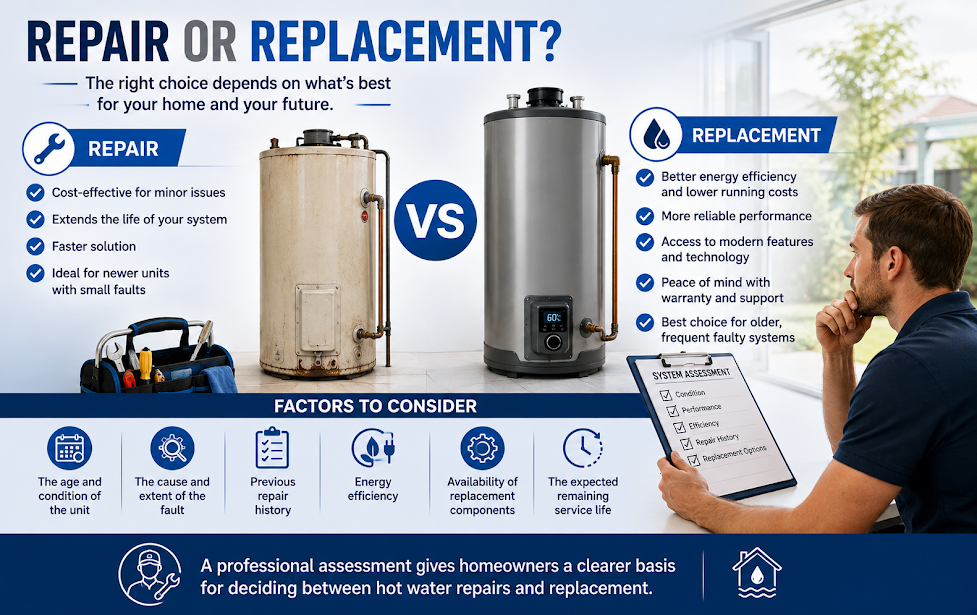
Not every failed hot water system needs to be replaced. The right option depends on factors such as:
- The age and condition of the unit
- The cause and extent of the fault
- Previous repair history
- Energy efficiency
- Availability of replacement components
- The expected remaining service life
A professional assessment gives homeowners a clearer basis for deciding between hot water repairs and replacement.
What should you do when your hot water system shows these signs?
Start by paying attention to what has changed. Is the water temperature inconsistent? Has pressure dropped? Is there visible water around the unit? Has the system started making a new noise?
Avoid attempting electrical or gas-related repairs yourself. Hot water systems combine water, heat, pressure and, depending on the type, electricity or gas. DIY work can create additional risks and may worsen the original fault.
For homeowners dealing with a failing system, arranging professional hot water repairs in Arncliffe can help identify the problem before it develops into a larger household disruption.
When is hot water repair urgent?
Some faults can wait for a scheduled appointment, while others need faster attention. A significant leak, complete system failure, unusual gas smells, electrical concerns or rapidly worsening symptoms should be treated more seriously.
If you are unsure about the severity of the problem, a qualified plumber can assess the system and advise whether repair or replacement is appropriate.
Marvel Flow Plumbing provides professional plumbing services for households dealing with hot water problems. Getting unusual symptoms checked early can help protect your home from water damage and reduce the chance of a sudden loss of hot water when you need it most.
FAQs
How do I know if my hot water system needs repair?
Common warning signs include inconsistent water temperature, unusual noises, reduced hot water supply, low hot water pressure, visible leaks, discoloured water and complete loss of hot water.
Is a leaking hot water system an emergency?
A significant or rapidly worsening leak should receive prompt attention because water can damage flooring, walls and surrounding fixtures. The urgency depends on the source and amount of the leak.
Can a hot water system be repaired instead of replaced?
Yes. Many faults can be repaired, depending on the system’s age, condition and the failed component. Replacement may be more practical when a unit is severely corroded, repeatedly failing or nearing the end of its service life.
How long should a hot water system last?
The service life varies according to the system type, installation, usage, maintenance and water conditions. Regular professional assessment can help identify deterioration before complete failure.