
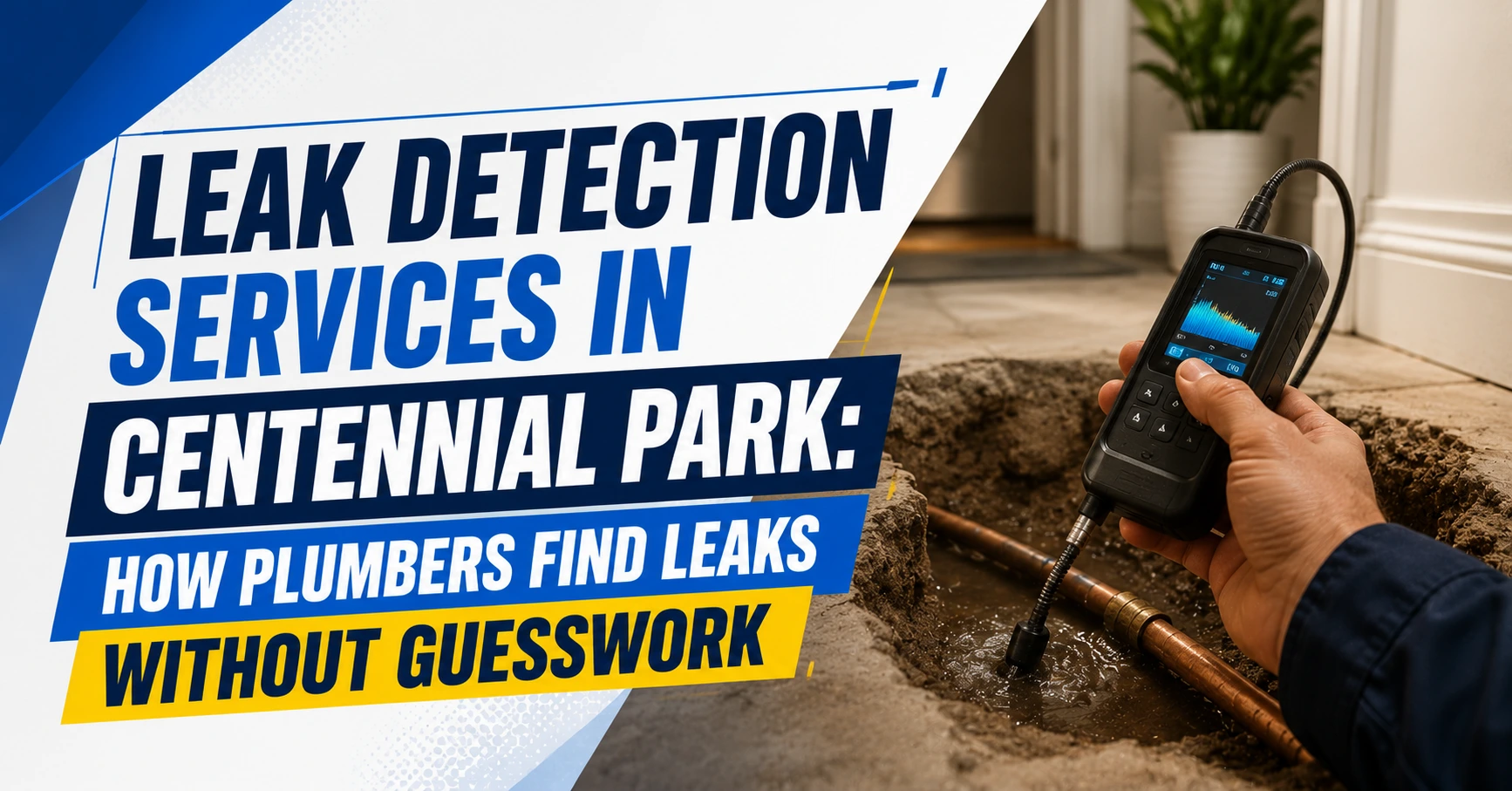
One of the most frustrating things about hidden water leaks is that the damage often appears long before the source does.
A homeowner notices paint starting to bubble near the hallway ceiling. Someone else keeps cleaning a musty smell that returns every few days, no matter what they do. Sometimes it is a patch of flooring that suddenly feels warmer or softer than usual. In many homes, the first clue is simply a water bill that seems unusually high for no obvious reason.
The natural reaction is confusion.
If there is no visible burst pipe, no flooded bathroom, and no dripping tap, where is the water actually coming from?
Years ago, leak detection often involved cutting into walls or digging through flooring just to search for the source. Today, modern plumbing diagnostics work very differently. Professional plumbers now use targeted testing methods and advanced technology to locate hidden leaks with far more accuracy and far less disruption to the property.
Let’s explore how leak detection services in Centennial Park work, the signs homeowners should never ignore, and how modern plumbers locate hidden leaks without relying on guesswork or unnecessary demolition.
Why Hidden Water Leaks Are So Difficult to Find
Hidden leaks are difficult because water rarely stays where the actual pipe damage occurs.
Modern homes contain plumbing behind walls, under floors, beneath concrete slabs, and inside ceiling cavities. When a concealed pipe begins leaking, the moisture often travels through surrounding materials before becoming visible somewhere completely different.
This is why homeowners may notice:
- Damp flooring far from the leak source
- Ceiling stains from upstairs plumbing
- Moisture behind cabinets
- Mould smells in nearby rooms
- Warm patches caused by slab leaks
In some cases, the leak may also be intermittent, meaning water only escapes under certain pressure conditions or while specific fixtures are running. This makes visual detection even harder without professional equipment.
Common Signs You May Have a Hidden Water Leak
Most hidden leaks reveal themselves gradually through moisture changes and unusual household symptoms before major damage appears.
Unexpected Increase in Water Bills
One of the earliest warning signs is a sudden rise in water usage without changes in daily household habits. Even a small hidden pipe leak can waste water continuously behind walls or beneath flooring.
Damp or Warm Flooring
Warm or damp patches on the flooring may indicate concealed plumbing leaks or slab leak problems beneath the surface.
Musty Smells or Moisture
Persistent moisture smells often develop when trapped water creates damp conditions behind walls, cabinetry, or flooring areas.
Water Stains on Walls or Ceilings
Discoloured patches, peeling paint, or bubbling plaster can signal hidden moisture spreading through internal surfaces.
Reduced Water Pressure
Leaks inside concealed plumbing systems sometimes reduce pressure reaching taps and showers throughout the home.
Cracking Paint or Bubbling Surfaces
Paint damage often occurs because moisture slowly weakens surfaces from behind over time.
Continuous Water Sounds Behind Walls
If homeowners hear dripping, hissing, or water movement while no fixtures are running, hidden water movement inside the plumbing system may be occurring.
Different Types of Hidden Leaks Found in Sydney Homes
Not all leaks behave the same way. Different plumbing systems create different warning signs depending on where the problem develops.
Toilet Leaks
Toilet leak detection in Belrose commonly involves identifying silent cistern leaks or concealed toilet plumbing leaks hidden behind bathroom walls. These leaks often waste water continuously without obvious visible flooding.
Laundry Leaks
Laundry leak detection in Clontarf and laundry leak detection in Glen Alpine frequently involve leaking washing machine hoses, drainage issues, or concealed pipe moisture behind cabinetry and laundry walls.
Slab Leaks
A slab leak occurs beneath concrete flooring and is often difficult to identify early. Homeowners may notice warm flooring, damp smells, or unexplained moisture spreading slowly through surrounding areas.
Concealed Wall Pipe Leaks
These leaks develop inside wall cavities where hidden plumbing joints or pipe sections begin deteriorating over time.
How Professional Leak Detection Works Without Guesswork
Modern leak detection focuses on narrowing down the leak location systematically instead of randomly opening walls or flooring.
At Marvel Flow Plumbing, we use several diagnostic methods depending on the type of suspected leak and the symptoms homeowners are experiencing.
Acoustic Leak Detection
Acoustic leak detection uses specialised listening equipment that identifies hidden water movement inside plumbing systems. Even small leaks create vibration and sound patterns that trained plumbers can detect behind walls or beneath surfaces.
Thermal Imaging
Thermal imaging helps identify temperature differences caused by hidden moisture. Damp materials often hold temperature differently from dry surrounding areas, allowing plumbers to narrow down concealed leak zones without damaging the property.
Pressure Testing
Pressure diagnostics help determine whether concealed plumbing systems are losing water pressure somewhere within the network.
Moisture Detection Equipment
Moisture meters identify damp building materials behind walls, beneath flooring, and around cabinetry without unnecessary demolition.
These technologies allow plumbers to investigate hidden leaks far more accurately than traditional exploratory methods.
Why Plumbers No Longer Need to “Guess” Leak Locations
Many homeowners still assume plumbers must cut open walls randomly to locate concealed leaks. Modern diagnostics have changed this significantly.
Today, leak detection is more like a structured investigation process.
Plumbers use moisture patterns, pressure testing, thermal imaging, and acoustic diagnostics together to narrow down the most likely leak zone before repairs even begin.
This approach helps:
- Reduce unnecessary wall removal
- Avoid blind excavation
- Confirm leak locations accurately
- Minimise disruption to the property
- Improve repair precision
The goal is not simply finding water. It is identifying the exact damaged plumbing section as efficiently as possible.
How Hidden Leaks Cause Bigger Property Damage Over Time
Hidden leaks rarely remain isolated problems because trapped moisture continues spreading through surrounding materials.
Over time, ongoing moisture exposure may lead to:
- Mould growth
- Flooring deterioration
- Cabinet swelling
- Plaster weakening
- Indoor air quality issues
- Higher water bills
- Structural moisture damage
The challenge is that this progression often happens quietly over weeks or months before homeowners fully realise how extensive the moisture spread has become.
What Happens After the Leak Is Found?
Once the source is confirmed, plumbers create a targeted repair plan based on the location and severity of the leak.
This may involve:
- Localised pipe repairs
- Pipe replacement
- Pressure testing after repairs
- Moisture assessments
- Preventative recommendations
The focus is always on resolving both the plumbing issue and the surrounding moisture problem before additional damage develops later.
When You Should Call a Leak Detection Plumber
Professional leak detection becomes important when homeowners notice recurring moisture symptoms without a clear explanation.
Warning signs that should not be ignored include:
- Rising water bills
- Damp smells
- Water stains
- Suspected slab leaks
- Reduced water pressure
- Ongoing moisture returning repeatedly
The earlier the leak is identified, the easier it usually becomes to reduce long-term restoration costs.
How Marvel Flow Plumbing Helps Detect Hidden Leaks

At Marvel Flow Plumbing, we provide non-invasive leak detection services using modern diagnostic equipment designed to locate hidden plumbing problems accurately and efficiently.
Our services include:
- Acoustic leak detection
- Thermal imaging
- Moisture investigations
- Leak diagnostics
- Pipe repair solutions
Because we work extensively across Sydney homes, apartments, and older plumbing systems, we understand how concealed leaks behave in different property types.
Why Early Leak Detection Saves Money Long Term
Early water leak detection helps minimise moisture spread before major restoration work becomes necessary.
Accurate diagnostics also reduce unnecessary demolition by locating leaks more precisely before repairs begin. Most importantly, fast professional repairs help protect flooring, cabinetry, walls, and surrounding structural materials from worsening moisture damage.
For many homeowners, early intervention becomes far less expensive than repairing long-term hidden water damage later.
Conclusion
Hidden leaks are often far more damaging than visible plumbing problems because they spread quietly behind walls, beneath flooring, and inside concealed spaces long before obvious flooding appears.
The good news is that modern leak detection no longer relies on guesswork. Today’s plumbing diagnostics use targeted technology to locate leaks accurately while reducing unnecessary disruption to the home.
If you notice rising water bills, unexplained moisture, damp smells, or suspected hidden water damage, a professional inspection at the early stage can help prevent much larger restoration costs later.
FAQs
What is professional leak detection?
Professional leak detection uses specialised diagnostic tools to locate hidden plumbing leaks accurately without relying on unnecessary wall or floor removal.
How do plumbers find hidden water leaks?
Plumbers use acoustic leak detection, thermal imaging, pressure testing, and moisture diagnostics to systematically narrow down concealed leak locations.
Can leak detection be done without damaging walls?
In many situations, yes. Modern leak detection methods significantly reduce unnecessary demolition by locating leaks more precisely before repairs begin.
What are the signs of a leak under concrete?
Warm flooring, damp smells, rising water bills, and unexplained moisture may indicate a slab leak beneath concrete surfaces.
How much damage can a hidden leak cause?
Hidden leaks can eventually lead to mould growth, flooring damage, weakened plaster, cabinet swelling, and expensive structural repairs if left untreated.
When should I call a leak detection plumber?
Homeowners should arrange a professional inspection when they notice unexplained moisture, recurring damp smells, water stains, or rising water bills without an obvious cause.