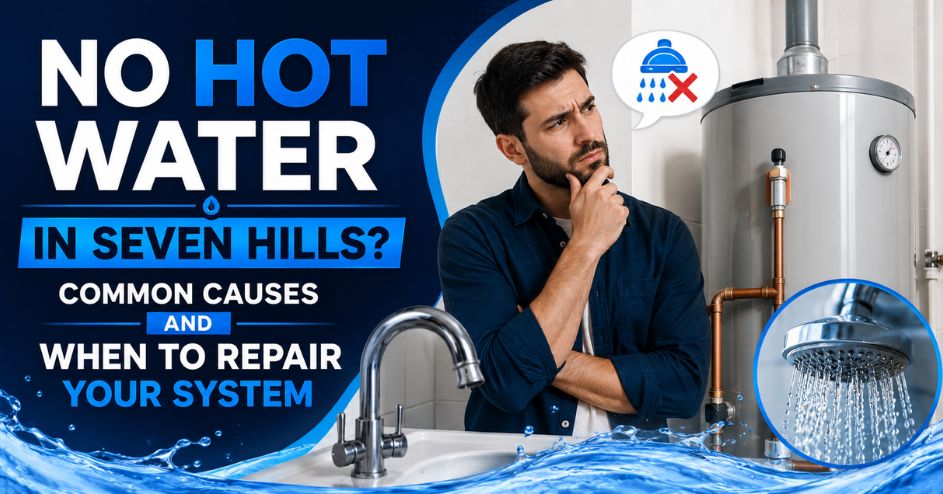
Hot water problems usually appear at the worst possible time. Early morning showers suddenly turn cold, the kitchen sink refuses to heat up, or the water temperature keeps changing without warning. For many homeowners, the issue seems to happen overnight. In reality, most hot water systems show signs of trouble long before they stop working completely.
Whether you are dealing with no hot water, inconsistent temperatures, or a leaking hot water system, identifying the cause early can help prevent larger repairs and unexpected breakdowns.
This guide explains the most common reasons hot water systems fail, how gas and electric systems differ, and when professional hot water system repair in Seven Hills becomes the safest option.
Why Hot Water Systems Usually Fail Gradually
Hot water systems work under constant pressure and daily demand. Over time, heating components wear down, sediment builds inside tanks, and valves lose efficiency. Most systems do not fail instantly. They gradually become less reliable until performance starts affecting everyday use.
Common early signs include:
- water taking longer to heat
- fluctuating temperatures
- unusual noises from the tank
- reduced hot water supply
- visible moisture around the system
In many Sydney homes, ageing systems combined with high household usage place extra strain on hot water units, especially during colder months.
The Most Common Reasons You Suddenly Have No Hot Water
Different hot water issues can point to very different underlying problems. Understanding the symptoms can help homeowners know when simple troubleshooting may work and when a plumber is needed.
Faulty Heating Element
In electric systems, the heating element is responsible for warming the water inside the tank. If it fails, the system may produce little or no hot water at all.
This issue is common in older electric systems and usually requires professional electric hot water repair.
Pilot Light Failure
Gas systems rely on a pilot light or ignition system to heat water. If the flame goes out or ignition fails, the water may suddenly turn cold.
Common causes include:
- gas supply interruptions
- faulty thermocouples
- burner issues
Gas hot water repair should always be handled by a licensed professional due to safety risks.
Thermostat Problems
A faulty thermostat can cause:
- inconsistent water temperature
- water becoming too hot
- hot water running out quickly
In some cases, homeowners mistake thermostat issues for complete system failure when the problem is actually related to temperature regulation.
Sediment Buildup Inside the Tank
Over time, minerals settle inside the tank and reduce heating efficiency. This buildup can force the system to work harder while delivering less hot water.
Signs may include:
- rumbling sounds
- reduced heating performance
- rising energy bills
Sediment buildup is especially common in ageing systems that have not been serviced regularly.
Leaking Hot Water System
A leaking hot water system should never be ignored. Even small leaks can affect pressure, damage surrounding areas, and indicate internal tank deterioration.
Leaks may come from:
- valves
- fittings
- pipe connections
- the tank itself
Once the tank begins leaking internally, replacement may become necessary.
Pressure Relief Valve Issues
The pressure relief valve helps release excess pressure safely from the system. If water is leaking continuously from this valve, the system may be experiencing pressure or temperature problems.
This issue requires inspection because prolonged pressure imbalance can place additional stress on the unit.
Gas vs Electric Hot Water Problems
Hot water issues vary depending on the type of system installed.
Gas Hot Water Systems
Gas systems often fail due to:
- pilot light problems
- burner faults
- gas supply interruptions
- ventilation issues
Gas systems usually heat water faster, but they also require careful safety inspection during repairs.
Gas hot water repair should always be completed by licensed plumbers experienced with gas appliances and safety compliance.
Electric Hot Water Systems
Electric systems more commonly experience:
- heating element failure
- thermostat faults
- tripped circuit breakers
- electrical wiring issues
Electric hot water repair often involves component testing and replacement rather than gas-related diagnostics.
Because both systems fail differently, professional diagnosis is important before repairs begin.
Signs Your Hot Water System May Need Repair Soon
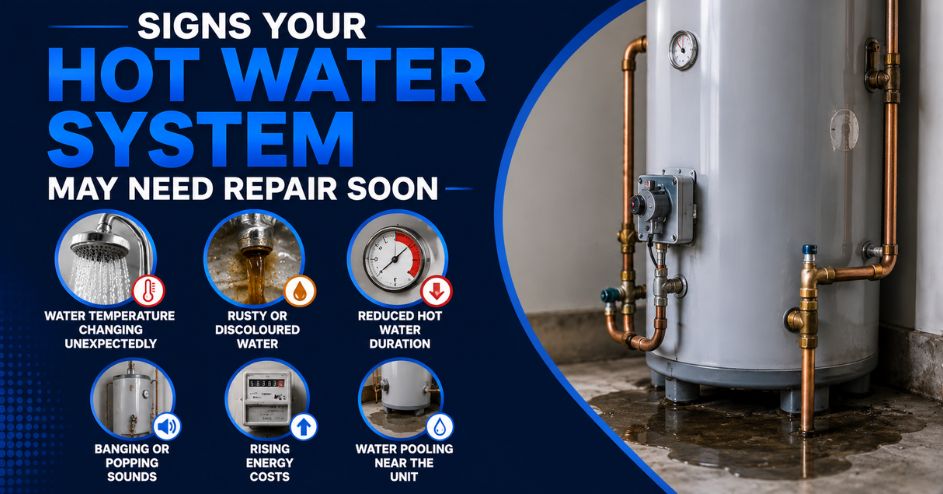
Many hot water systems show warning signs before a complete breakdown occurs.
You may notice:
- water temperature changing unexpectedly
- rusty or discoloured water
- reduced hot water duration
- banging or popping sounds
- rising energy costs
- water pooling near the unit
These issues may seem manageable initially, but delaying repairs often increases the likelihood of a complete system failure later.
Early repairs usually cost less and help extend the life of the system.
Should You Repair or Replace Your Hot Water System?
Not every hot water issue means the entire unit needs replacing. The right option often depends on the system’s age, condition, and repair history.
Repair May Be the Better Option If:
- the system is relatively new
- the issue is isolated
- the tank is still structurally sound
- repairs are cost-effective
Replacement May Be Better If:
- the system is ageing
- repairs are becoming frequent
- the tank itself is leaking
- efficiency has declined significantly
A professional assessment helps determine whether repair or replacement makes more financial sense long term.
Is a Leaking Hot Water System Dangerous?
A leaking hot water system can become a serious problem if ignored for too long.
Potential risks include:
- water damage to the flooring and walls
- mould growth
- electrical hazards
- increased pressure inside the unit
- damage to nearby cabinetry or storage areas
In gas systems, leaks near burners or fittings also require urgent inspection to ensure the system remains safe to operate.
Even small leaks should be assessed before they worsen.
When You Should Call a Hot Water Plumber Immediately
Some hot water problems require urgent professional attention.
You should contact a plumber if:
- there is no hot water at all
- the tank is leaking heavily
- water pressure changes suddenly
- the system makes loud noises
- you smell gas near the unit
- the relief valve leaks continuously
Whether you need hot water system repair in Rouse Hill, hot water system repair in Arncliffe, or hot water system repair in Blackett, fast diagnosis helps prevent larger plumbing and property issues.
How Professional Hot Water Repairs Are Handled
Professional plumbers inspect the system thoroughly before recommending repairs.
This may include:
- testing heating components
- checking thermostats
- inspecting gas connections
- pressure testing
- leak assessment
- safety inspections
Professional servicing ensures the system operates safely while identifying underlying issues that may cause future breakdowns.
Early hot water repairs reduce system strain and help prevent emergency failures later.
Regular servicing also improves efficiency, lowers long-term energy costs, and reduces the risk of water damage caused by unnoticed leaks.
How Marvel Flow Plumbing Helps With Hot Water Repairs
Marvel Flow Plumbing provides professional hot water system repair services across Seven Hills and the surrounding Sydney suburbs.
Licensed plumbers can assist with:
- gas hot water repair
- electric hot water repair
- leaking hot water systems
- emergency hot water problems
- pressure valve issues
- system diagnostics
With experience across different hot water systems, the team helps homeowners restore reliable hot water safely and efficiently.
Conclusion
Hot water systems rarely stop working without warning. Temperature changes, leaks, unusual noises, and reduced performance are often early signs that the system needs attention.
Addressing these problems early can help prevent larger repairs, improve system efficiency, and reduce the chances of a complete breakdown during daily use.
Whether the issue involves a gas or electric system, professional diagnosis remains the safest and most reliable way to restore consistent hot water throughout the home.
FAQs
Why has my hot water suddenly stopped working?
Hot water can stop working for several reasons, including heating element failure, pilot light problems, thermostat faults, or electrical issues. Some systems also shut down due to pressure or safety-related problems. A licensed plumber can identify the exact cause safely.
Is a leaking hot water system dangerous?
Yes, it can become dangerous if ignored. Leaks may cause water damage, mould growth, pressure issues, or electrical hazards near the unit. In gas systems, leaking components should always be inspected quickly to ensure the system remains safe.
Should I repair or replace my hot water system?
It depends on the system’s age and condition. Newer systems with isolated faults are often worth repairing, while older units with recurring issues or leaking tanks may be more cost-effective to replace long-term.
Can a plumber repair gas and electric hot water systems?
Yes. Licensed plumbers can repair both gas and electric hot water systems. They diagnose heating issues, leaks, thermostat faults, pressure problems, and damaged components while ensuring the system operates safely and complies with regulations.
How long does a hot water repair usually take?
Many hot water repairs can be completed within a few hours, depending on the issue and parts required. More complex problems or replacement jobs may take longer, especially if the system has significant internal damage.
What should I do if water is leaking from the relief valve?
Turn off the system if the leak becomes heavy and contact a plumber for inspection. Continuous relief valve leakage may indicate excessive pressure, overheating, or internal system faults that should not be ignored.