Most plumbing calls we get from Chiswick involve blocked drains or hot water failures, both common in homes built before the 1980s. We’re usually on-site within the hour.
Chiswick plumbing jobs are quoted upfront before anything starts. No hourly guessing, no bill shock when the invoice arrives. Book online, and the $50 drops off automatically.

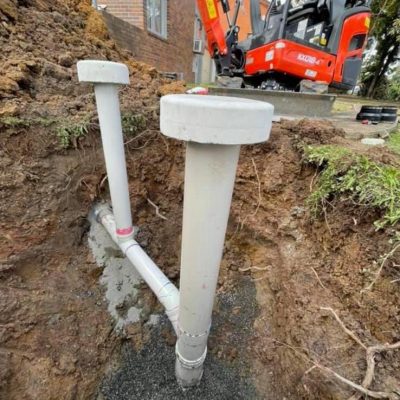
Backyard pooling after rain usually means poor grading or a blocked stormwater drain. We diagnose, clear, and repair, including cracked pipes and new pit installations.

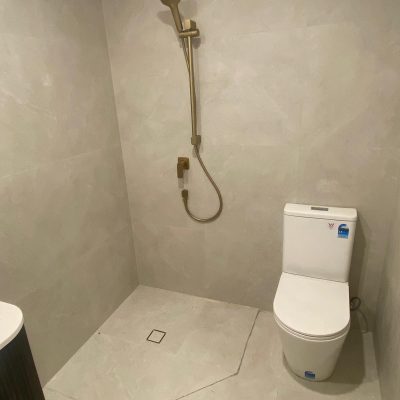
Soap scum and hair block shower drains faster than most people notice. Camera inspection confirms the blockage is fully gone, not just pushed further down the pipe.

High-pressure jetting and augers clear most blocked toilets in a single visit, including foreign objects, paper buildup, and sewer line issues. Hygiene restored, same day.

Before any repair happens, we put a camera inside the pipe. You see exactly what's there: blockage, crack, root intrusion, and we quote from that, not guesswork.

Buying a home or dealing with recurring drain issues? A camera inspection finds hidden problems fast and saves you from unnecessary excavation and repair costs later.

Kitchen, bathroom, laundry, grease, and debris clog them all eventually. Drain specialists use CCTV and hydro jetting to find the problem and fix it properly.

Drain odours don't go away on their own. We find whether it's trapped debris or a sewer gas leak, then fix the actual source, not just the smell.

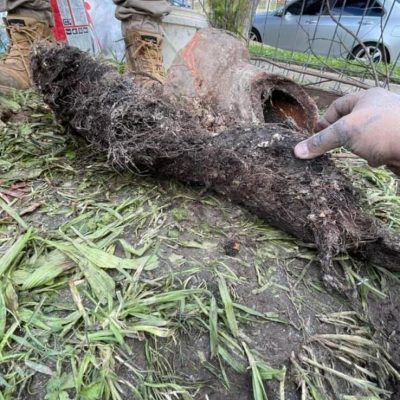
Cracked pipes, root intrusion, persistent backups, we handle all of it. Pipe relining means most sewer repairs don't require digging up your yard.
Local knowledge matters more in plumbing than in most trades. A plumber who works regularly in an area builds up a picture of what’s underneath it, the pipe era, the common failure points, and the infrastructure quirks that don’t show up on any building report.
That matters when diagnosing a problem. A recurring blocked drain in a post-war property is a different job to the same symptom in a newer build. Same symptom, different pipe history, and the fix that works for one often doesn’t touch the other.
Response time is the other side of it. A crew already operating nearby reaches a genuine emergency faster than one dispatched from across the city. For burst pipes, gas leaks, or sewage backups, that gap is the difference between a contained repair and significant property damage.
We service Chiswick and the wider area with licensed NSW plumbers available 24/7. Every job is assessed on-site before anything is quoted, because the right fix comes from what’s actually inside the pipe, not from what the problem looks like at the surface.
When something goes wrong, proximity and experience are what get it sorted quickly. Both matter here.


Most plumbing calls come in when something has already gone wrong. What people want at that point is simple, someone who shows up when they say they will, tells them what it costs before starting, and actually fixes it.
A specific arrival time, not a four-hour window. We give you a time based on where the nearest available plumber actually is, not a range that covers half your day.
Every job gets looked at properly before a price is given. What's visible at the surface rarely tells the full story. The quote comes from what we find inside the pipe, not from what the problem looks like from outside.
Whatever we quote before work starts is what appears on the invoice. If something unexpected changes the scope, that conversation happens before work continues, not when the bill arrives.
Most callouts are completed in a single visit by the NSW licensed plumber who assessed the job. Not a subcontractor. If a return visit is needed for any reason, it costs nothing.
If something we've repaired fails, we come back and fix it at no charge. That applies to every job, without qualification.
Most plumbing questions before booking come down to the same thing: how urgent is it, and what's it going to cost? Here are the ones we hear most from Chiswick customers.
If water’s rising and not stopping, the valve behind the toilet, floor level, against the wall, cuts the supply immediately. Turn that off first. Don’t keep flushing to try to force the blockage through; it rarely works and can push the problem further into the line. A plunger is worth attempting, but in Condell Park’s older homes, the issue often isn’t at the toilet itself. Clay sewer lines run deep, and a blockage further down the system needs a licensed plumber with the right equipment, not a plunger.
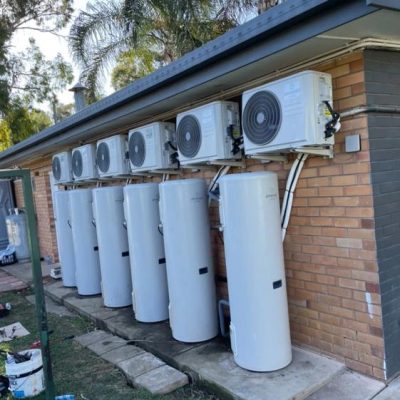
There’s no useful number to give without knowing what’s already on your property. The system type is one part of it, but installation complexity shifts the final cost just as much, sometimes more. Whether existing connections need adjustment and what access is like both change the number significantly, and government rebates can apply to certain system types too, which sometimes changes the decision entirely. Flat rates advertised online rarely account for what’s actually on a specific property. Get a plumber to assess the existing setup before anyone starts quoting.
Clearing a drain and fixing one aren’t the same job.
Something in the pipe is causing it, and moving the blockage temporarily doesn’t change that. In Condell Park’s older clay lines, tree root intrusion is the most common culprit. Partial pipe collapses come up more than people expect to, particularly in pre-1980s housing stock, where nothing has been inspected since installation. Chemicals and DIY snaking disturb whatever’s there, but the underlying issue stays put. A CCTV inspection shows what’s actually inside the pipe: roots, a collapse, significant scale, and that’s the only starting point for a fix that actually holds.
Yes, it’s a legal requirement under the Plumbing and Drainage Act 2011. Every plumber carrying out plumbing or drainage work in NSW needs a current licence, full stop. You can verify licence details through NSW Fair Trading before anyone sets foot on your property. It should also be on the quote and invoice; if it isn’t, ask why.
The practical side matters beyond the legal one. Unlicensed work can void insurance and create compliance problems that show up later, typically at the worst possible moment, usually when you’re selling.
Most jobs in Condell Park start with a CCTV inspection, particularly given the age of the clay lines out here, where a single run can have more than one problem point sitting in it. Going straight to equipment without knowing what’s there wastes time and regularly misses what’s actually causing it.
Once the camera’s been in, the method follows from what it finds. Grease and soap buildup respond well to high-pressure water jetting; hair does too. Tree roots are handled differently. Hydro jetting runs enough force through the line to cut through the intrusion rather than just shift it around. Mechanical snakes still come out for simpler jobs in accessible pipes, though running one through a root-damaged line without knowing the condition of the pipe first can cause more damage than the original blockage did.
Check whether it’s dropped across the whole property or just one fixture; that distinction matters.
A single tap losing pressure is usually a worn washer or blocked aerator, which is straightforward to fix. A whole-property drop at once is more likely a failing pressure-limiting valve or a partially closed isolation valve somewhere in the supply line. Worth checking with neighbours too, if it’s street-wide, Sydney Water is the right call. Persistent low pressure across multiple outlets in a Condell Park home warrants a licensed plumber inspecting the pressure limiting valve, which typically has a serviceable lifespan of around 10 years.
Accessible surface fittings, a loose compression joint under a sink, for example, can sometimes be managed without a plumber. Anything behind a wall or beneath a slab is a different matter entirely. In NSW, certain categories of plumbing work are legally required to be carried out by a licensed plumber under the Plumbing and Drainage Act 2011.
The practical concern matters just as much; a misdiagnosed leak inside a wall can cause significant structural damage long before it becomes visible. Getting it fixed the first time properly is almost always cheaper than what follows if it isn’t.
Worth checking the circuit breaker first, if it’s an electric storage unit, a tripped breaker is the most common cause and takes thirty seconds to rule out. If that’s not it, the heating element is the next suspect. Gas systems are less predictable. A faulty thermocouple is the usual culprit, but pilot light failures and gas supply interruptions come up regularly, too. Continuous flow units tend to stop working when a filter blocks or a flow sensor fails.
Across Canterbury-Bankstown, a lot of the hot water callouts we get involve systems well past their 8–12 year lifespan. At that point, repair versus replacement is worth discussing before committing to a fix either way.
It varies between operators, and it’s worth confirming before anyone arrives. Across the Sydney metro area, call-out fees typically sit between $80–$150 on top of the labour rate, with after-hours and weekend callouts attracting a higher rate again.
We don’t charge a call-out fee for jobs that proceed across the Canterbury-Bankstown area. When comparing quotes, look at the total cost including any call-out component, the advertised hourly rate, and the final invoice; they aren’t always the same number.
Kitchen lines block mainly from grease and food scraps accumulating over time, gradually until suddenly it isn’t. Bathroom drains work differently, with soap scum building steadily until water stops moving through properly.
In Condell Park and across Canterbury-Bankstown specifically, tree root intrusion into clay sewer lines sits above the Sydney average. The combination of older housing stock and well-established street and garden trees means roots have had decades to find their way in. Wet weather adds pressure, too. Heavy rainfall pushes debris into stormwater infrastructure faster than older systems were designed to handle, particularly on Condell Park properties without adequate pit drainage.
Most people who’ve read this far already know what the problem is. The pipe has been slow for weeks, the hot water’s been inconsistent, or something gave out entirely this morning.
We’re NSW licensed plumbers covering Chiswick and the wider Sydney area. Every job is quoted upfront before work starts, and if anything we’ve repaired fails, we come back at no cost. No callout fee, and for genuine emergencies, we’re typically on site within the hour.
One call sorts it.
Marketing & Design by: Performance Marketer